





What's Happening?
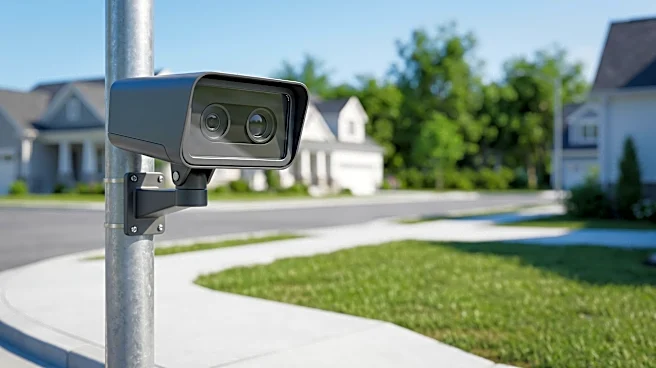
Two officers from the Joliet Police Department have been placed on administrative leave and are under investigation for the alleged misuse of Flock Safety technology. This development follows similar investigations in other Illinois municipalities and across
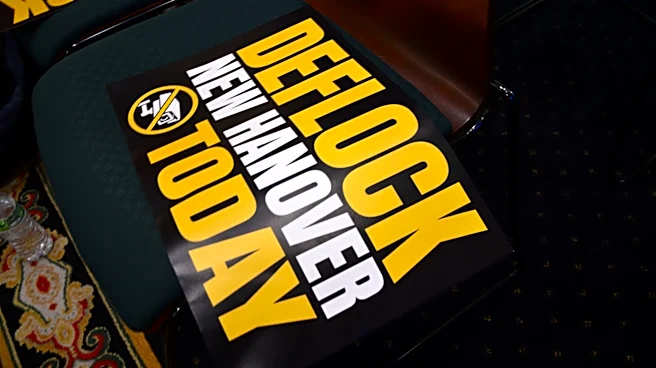
the country regarding the use of license plate reader systems. The Joliet Police Department has referred the matter to the City of Joliet Inspector General for investigation, as well as to the Illinois State Police for an independent review. This action comes amidst growing scrutiny of Flock cameras, with the company's CEO having previously apologized for instances of data misuse by law enforcement. The Washington Post reported in early August about at least 46 instances where police officers were accused of misusing Flock's network, including for stalking individuals. Other Illinois police departments in West Chicago, Channahon, Berkeley, and Holiday Hills have also faced investigations for similar misuses, and the Village of Homer Glen recently suspended its use of Flock cameras.
Why It's Important?
The investigation into Joliet police officers highlights significant concerns regarding privacy and accountability in law enforcement's use of surveillance technology. The alleged misuse of Flock Safety cameras, which are designed to enhance public safety, erodes public trust when used for unauthorized purposes. This incident contributes to a broader national debate about the balance between security measures and individual civil liberties. For residents of Joliet and other communities utilizing such technology, these investigations raise questions about data security, oversight mechanisms, and the potential for abuse of power. The involvement of the City of Joliet Inspector General and the Illinois State Police underscores the seriousness of these allegations and the need for independent review to ensure transparency and maintain public confidence in law enforcement practices. The outcome of this investigation could influence future policies on surveillance technology use and accountability within police departments.
What's Next?
The investigations by the City of Joliet Inspector General and the Illinois State Police will proceed to determine the extent of the alleged misuse of Flock technology by the two Joliet police officers. Depending on the findings, disciplinary actions could range from internal departmental measures to potential criminal charges. This situation may also prompt a review of the Joliet Police Department's policies and training protocols regarding the use of surveillance technology to prevent future incidents. Furthermore, the ongoing scrutiny of Flock cameras nationally could lead to increased calls for stricter regulations, enhanced oversight, and greater transparency from both law enforcement agencies and technology providers. Communities may re-evaluate their contracts with Flock Safety or similar vendors, potentially leading to suspensions or terminations of services if concerns about misuse and privacy are not adequately addressed.
Beyond the Headlines
The alleged misuse of Flock Safety technology by law enforcement officers points to a deeper ethical and legal challenge in the digital age: the potential for powerful surveillance tools to be weaponized against citizens. While these systems are marketed as crime-fighting assets, their capabilities for tracking and data collection can be exploited, leading to violations of privacy and civil rights. This situation underscores the critical need for robust legal frameworks, stringent oversight, and clear ethical guidelines governing the deployment and use of such technologies. The incidents in Joliet and other municipalities highlight a systemic vulnerability where access to sensitive data, without adequate checks and balances, can lead to abuse. This ongoing issue could catalyze broader discussions about data governance, the scope of police powers in a technologically advanced society, and the fundamental rights of individuals to privacy in public spaces. The long-term implications could include a redefinition of privacy expectations and a push for more citizen-centric oversight of surveillance technologies.