





What's Happening?
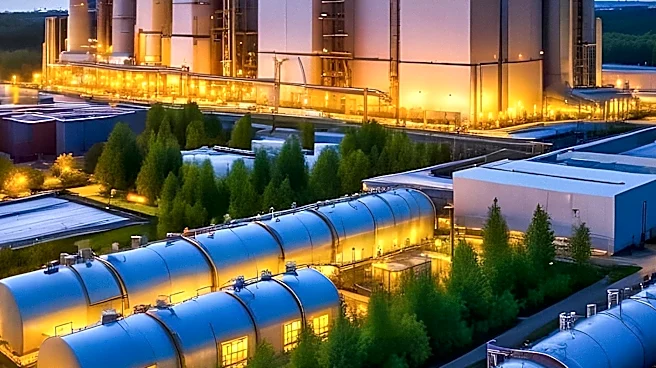
National Grid Ventures, the unregulated arm of National Grid, has submitted applications to New York's grid operator to construct three new gas units on the sites of its existing, aging power plants on Long Island. This move signals a potential resurgence
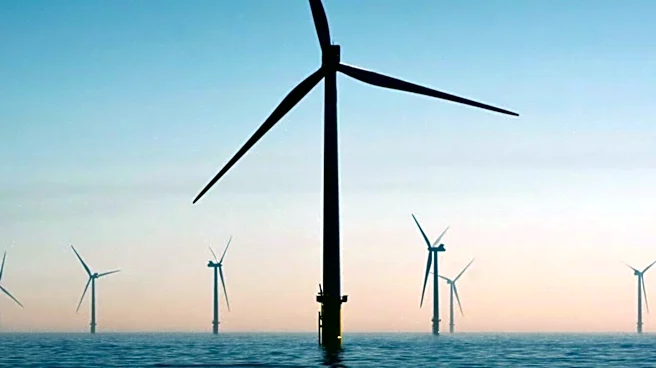
in gas-fired power generation in New York, despite the state's climate law mandating a zero-emissions grid by 2040. The proposed projects include two generators totaling over 1,100 megawatts at the E.F. Barrett plant in Nassau County and another 450 megawatts at the Northport Power Station in Suffolk. These new units could power more than 1 million homes and facilitate the retirement of older turbines, some as old as 70 years. National Grid aims to have all three units operational by 2035. State officials have indicated that replacing, rather than shutting down, downstate gas plants may be necessary until 2035 to compensate for offshore wind projects that were blocked during the Trump administration. The company suggests these new plants could eventually transition to 'renewable' natural gas or green hydrogen, though these technologies are currently costly and not yet scalable for power plant use.
Why It's Important?
This development is significant for New York's energy landscape and climate goals. While National Grid pitches the repowering as a way to enhance reliability and reduce toxic emissions like nitrogen oxides, critics argue that increasing the total capacity of gas plants could lead to greater overall gas consumption and carbon dioxide emissions, conflicting with the state's 2040 zero-emissions mandate. The substantial investment, potentially exceeding $1 billion per unit, raises questions about economic viability given the short operational window before the 2040 deadline. The reliance on gas plants to offset delayed offshore wind projects highlights the challenges in transitioning to renewable energy, especially when federal actions impact state-level clean energy initiatives. This situation underscores the tension between ensuring grid reliability, managing energy costs, and achieving ambitious climate targets, with potential long-term implications for public health and environmental quality on Long Island.
What's Next?
National Grid Ventures' proposals will undergo evaluation by the state's grid operator, NYISO, and will require multiple approvals from state agencies, including the Department of Environmental Conservation for air pollution permits. As of now, the DEC has not received any applications for plant repowerings on Long Island. The Long Island Power Authority (LIPA), the primary utility and potential customer for these plants, is currently updating its Integrated Resource Plan, which will assess future energy needs. Opponents, such as New York Communities for Change, have already begun protesting these plans and are committed to fighting their implementation. The economic viability of these projects beyond 2040, given the state's climate law, remains an open question. The debate will likely continue between energy providers focused on reliability, environmental advocates pushing for clean energy, and state regulators balancing these competing interests.
Beyond the Headlines
The push to rebuild gas plants on Long Island reveals deeper systemic challenges in the U.S. energy transition. The reliance on fossil fuel infrastructure, even with promises of future conversion to cleaner fuels like green hydrogen, highlights the technological and economic hurdles in achieving a fully renewable grid. The blocking of offshore wind projects during the Trump administration demonstrates how federal policy shifts can significantly impede state-level climate initiatives, forcing regions to revert to traditional energy sources to maintain reliability. This scenario also brings to light the concept of 'stranded assets,' where significant investments in new fossil fuel infrastructure might become economically unviable if stricter emissions regulations are enforced as planned. Furthermore, the debate touches upon environmental justice concerns, as communities near these plants often bear a disproportionate burden of pollution, even if newer plants are more efficient. The long-term implications involve not just energy policy but also public health, economic development, and the broader commitment to climate action.