




What's Happening?
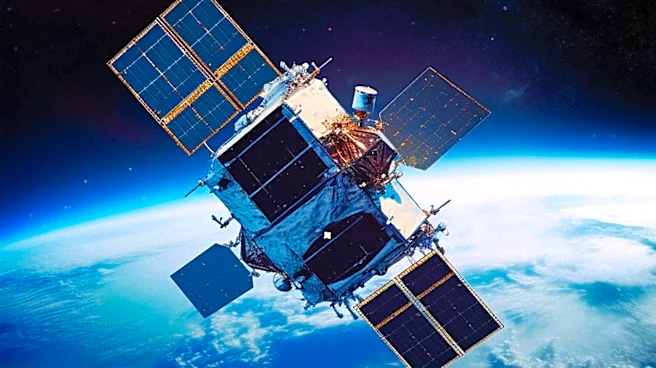
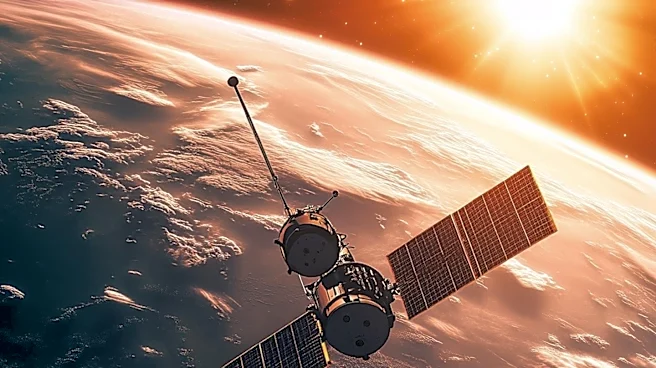
Avi Loeb, a prominent astrophysicist, has raised concerns about the increasing light pollution caused by satellite constellations like SpaceX's Starlink. He argues that the proliferation of satellites in low Earth orbit could hinder astronomical observations
and the search for extraterrestrial life. Loeb emphasizes the importance of investing in the search for technological signatures of extraterrestrial civilizations, which could be compromised by the light pollution from these satellites. He also highlights the risk of false negatives in the search for extraterrestrial life due to the lack of comprehensive observation efforts.
Why It's Important?
The debate over satellite constellations underscores the tension between technological advancement and scientific research. While satellite networks aim to provide global connectivity, they pose challenges for astronomers who rely on clear skies for observations. The potential impact on the search for extraterrestrial life raises questions about the priorities and responsibilities of space entrepreneurs. Balancing technological progress with the preservation of scientific inquiry is crucial for advancing our understanding of the universe.
What's Next?
As satellite constellations continue to expand, discussions about regulatory measures and international cooperation to mitigate light pollution are likely to intensify. The scientific community may advocate for the development of new observatories in space or on celestial bodies like the Moon to circumvent the challenges posed by Earth-based light pollution. Ongoing dialogue between space companies, scientists, and policymakers will be essential to address these concerns and find solutions that accommodate both technological and scientific interests.