





What's Happening?
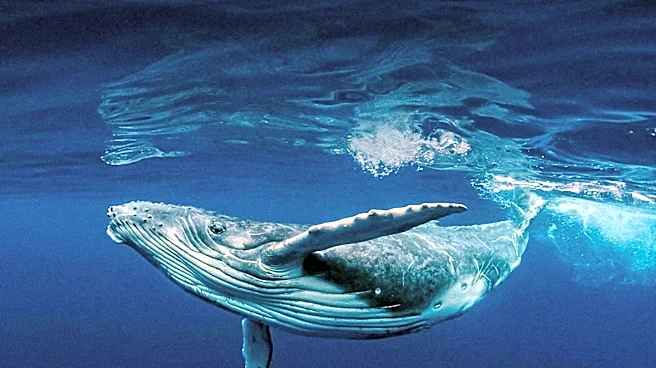
The overfishing of krill in Antarctica is posing a significant threat to the recovery of humpback whale populations, which are still rebounding from extensive commercial whaling operations that severely depleted their numbers from 1947 to the late 1970s.
Humpback whales migrate approximately 8400 kilometers from Western Antarctica to the South Pacific to mate and give birth before returning to their feeding grounds. Krill is a primary food source for these whales, and its reduced availability due to overfishing directly impacts their ability to thrive. This issue is compounded by other environmental pressures such as ocean pollution, entanglement in fishing nets, noise pollution, unregulated whale watching tourism, and warming ocean temperatures, which can alter the distribution and abundance of their food sources. The Oceania humpback whale population is currently classified as the last 'endangered' migratory population globally by the IUCN.
Why It's Important?
The sustainability of the Antarctic krill fishery is crucial for maintaining the ecological balance of marine ecosystems, particularly for species like humpback whales that rely on krill as a foundational food source. The decline in krill populations due to overfishing directly impacts the health and recovery of these whales, which play a vital role in ocean health by redistributing nutrients and contributing to the carbon cycle. If krill populations continue to diminish, it could lead to broader ecosystem instability, affecting other marine life that also depend on krill. The ongoing threats to humpback whales, including reduced food availability, highlight the interconnectedness of marine environments and the far-reaching consequences of human activities like commercial fishing. Protecting these whales and their food sources is essential for biodiversity and the overall health of the world's oceans.
What's Next?
Addressing the issue of krill overfishing will require international cooperation and stricter regulations on fishing practices in Antarctic waters. Continued research into humpback whale migration patterns, feeding habits, and the impact of environmental stressors is essential to inform conservation strategies. Efforts to mitigate other threats, such as ocean pollution and noise pollution from shipping and emerging activities like deep-seabed mining, will also be critical. Conservation organizations and scientific bodies will likely continue to advocate for stronger protections for krill and whale habitats. Public awareness campaigns, like those conducted by organizations such as Te Ipukarea Society, aim to educate younger generations about the importance of marine conservation and encourage future advocacy for ocean protection.
Beyond the Headlines
The situation with Antarctic krill overfishing and its impact on humpback whales underscores a broader ethical and environmental challenge: balancing human economic activities with ecological preservation. The demand for krill, often used in aquaculture and dietary supplements, creates economic incentives that can conflict with the long-term sustainability of marine ecosystems. This scenario highlights the need for a more holistic approach to resource management that considers the entire food web and the interconnectedness of species. The vulnerability of humpback whales, despite their recovery from past whaling, serves as a stark reminder that conservation efforts must be ongoing and adapt to new threats. It also raises questions about the effectiveness of current international regulations in protecting shared marine resources and the responsibility of nations to ensure sustainable practices in global commons like Antarctica.