


What's Happening?
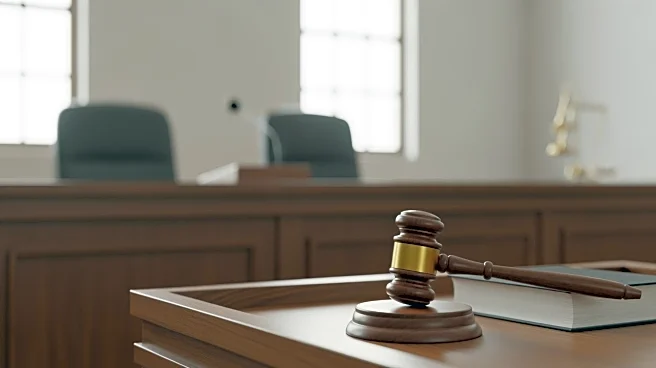
A vigil was held in Little Haiti, South Florida, on Tuesday to celebrate a federal judge's decision to allow the continuation of Temporary Protected Status (TPS) for Haitians. This decision comes as a relief to many in the Haitian community who have been
concerned about the potential end of TPS, which provides temporary legal status to individuals from countries experiencing ongoing armed conflict, environmental disasters, or other extraordinary conditions. The gathering in Little Haiti was marked by a sense of relief and hope, as community members expressed gratitude for the legal reprieve that allows them to remain in the United States without fear of immediate deportation.
Why It's Important?
The continuation of TPS for Haitians is significant as it affects thousands of individuals who have built their lives in the United States. TPS provides a legal framework for these individuals to live and work in the U.S. without the threat of deportation. The decision by the federal judge underscores the ongoing legal and humanitarian considerations surrounding immigration policies in the U.S. For the Haitian community, this decision offers a temporary sense of stability and security, allowing them to continue contributing to the economy and society without the immediate fear of being uprooted. The broader implications of this decision highlight the complexities of immigration policy and the balance between legal frameworks and humanitarian needs.
What's Next?
While the judge's decision provides temporary relief, the future of TPS for Haitians remains uncertain. The legal status is subject to periodic review and renewal, and changes in administration or policy could impact its continuation. Advocacy groups and community leaders are likely to continue pushing for more permanent solutions, such as pathways to citizenship, to ensure long-term stability for TPS holders. The decision may also prompt further legal challenges or legislative actions aimed at addressing the broader issues of immigration reform in the United States.