





What's Happening?
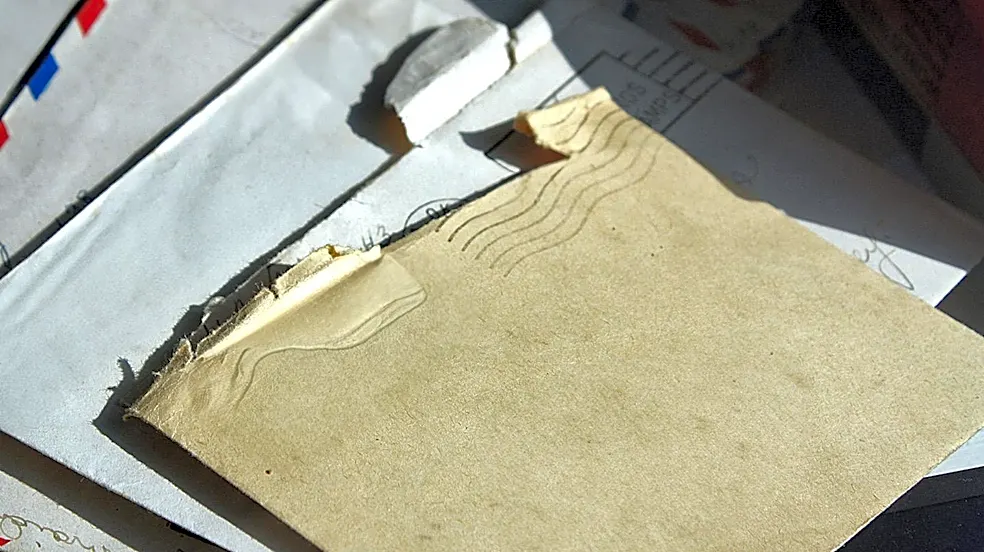
Several U.S. Representatives in the Chicagoland area, including Jan Schakowsky (D-9th), Brad Schneider (D-10th), and Mike Quigley (D-5th), have received a second round of suspicious letters at their district offices. This follows an initial wave of similar
mailings on October 16. On October 21, offices in Skokie, Lincolnshire, and Chicago were affected. For instance, Congressman Schneider's office in Lincolnshire received a suspicious package, prompting a response from local police and fire departments, including a hazmat team. Similarly, Congresswoman Schakowsky's Skokie office was evacuated after staff identified an unusual envelope. Congressman Quigley's Chicago office also received a second suspicious package. Authorities, including the FBI and U.S. Capitol Police, are investigating these incidents, which are believed to be part of a broader effort targeting congressional and election offices nationwide.
Why It's Important?
The repeated targeting of congressional offices with suspicious mail highlights a concerning trend of intimidation against elected officials and public servants, particularly in the lead-up to midterm elections. These incidents disrupt daily operations, necessitate emergency responses from local law enforcement and hazardous materials teams, and create an atmosphere of fear. Congressman Quigley stated that these actions are 'clearly another effort to scare and intimidate elected officials, public servants, and voters.' The involvement of federal agencies like the FBI and U.S. Capitol Police underscores the seriousness of these threats and the potential impact on democratic processes. Such events can deter individuals from engaging in public service and erode public trust in the safety and security of government institutions.
What's Next?
Authorities, including the FBI and U.S. Postal Inspection Service, are actively investigating the series of suspicious mailings to identify and prosecute those responsible. Congressman Schneider expressed confidence that the FBI will investigate the latest incidents thoroughly. Congressional leaders and political figures are being urged to condemn political violence and de-escalate political discourse. Despite the disruptions, affected representatives like Congresswoman Schakowsky have affirmed their commitment to continuing their work for their constituents. The ongoing investigation will likely focus on tracing the origins of these letters, which have shown varying return addresses and postmarks, to determine if there is a coordinated effort behind them. Increased security measures for congressional offices and mail handling procedures may also be considered.
Beyond the Headlines
These incidents extend beyond mere security breaches; they represent a direct assault on the democratic process and the individuals who uphold it. The psychological impact on congressional staff and the broader public, particularly during an election cycle, can be significant. The use of suspicious packages, even if found to be non-hazardous, creates a climate of fear and can be seen as a form of political terrorism. This trend raises questions about the increasing polarization of political discourse and its potential to incite extremist actions. The calls from lawmakers to 'turn down the temperature of political discourse' reflect a recognition that heated rhetoric can have real-world consequences, potentially encouraging individuals to resort to intimidation and violence. Addressing the root causes of such animosity will be crucial for safeguarding democratic institutions.