





What's Happening?
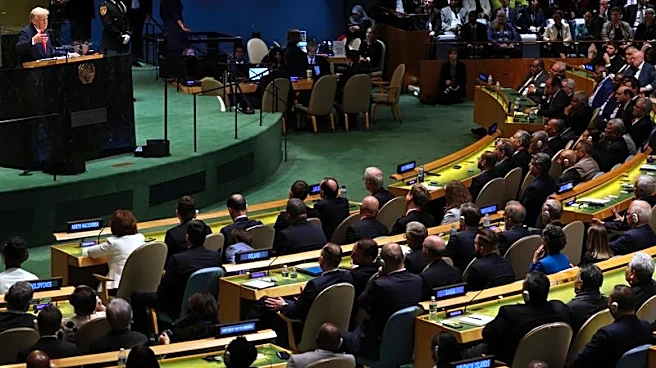
The United States has announced its decision to withdraw from UNESCO, effective at the end of the year. This move is attributed to the organization's promotion of diversity, equity, and inclusion policies, which the U.S. administration has labeled as 'woke.'
Additionally, the U.S. cites perceived anti-Israel and pro-China biases as reasons for the withdrawal. This decision marks a continuation of a pattern, as the Trump administration previously withdrew from UNESCO in 2018, a move that was later reversed by the Biden administration. The U.S. first left the organization in 1984 under the Reagan administration.
Why It's Important?
The withdrawal from UNESCO highlights ongoing tensions between the U.S. and international cultural and educational organizations. This decision could impact U.S. influence in global cultural heritage discussions and may affect international perceptions of U.S. commitment to multilateralism. The move also underscores the current administration's stance on international bodies perceived as biased or misaligned with U.S. interests. Stakeholders in cultural and educational sectors may face challenges in collaboration and funding opportunities previously facilitated through UNESCO.
What's Next?
The withdrawal process will likely involve diplomatic negotiations and adjustments in U.S. participation in international cultural heritage initiatives. Other countries may respond with criticism or support, depending on their alignment with U.S. views on UNESCO's policies. The decision may also prompt discussions within the U.S. about the role of international organizations in advancing global cultural and educational goals.