



What's Happening?
A significant heat wave is set to affect approximately 150 million Americans, with temperatures expected to reach the 90s and above in many areas. The Northeast and Mid-Atlantic regions will experience the first surge, with cities like Washington, DC,
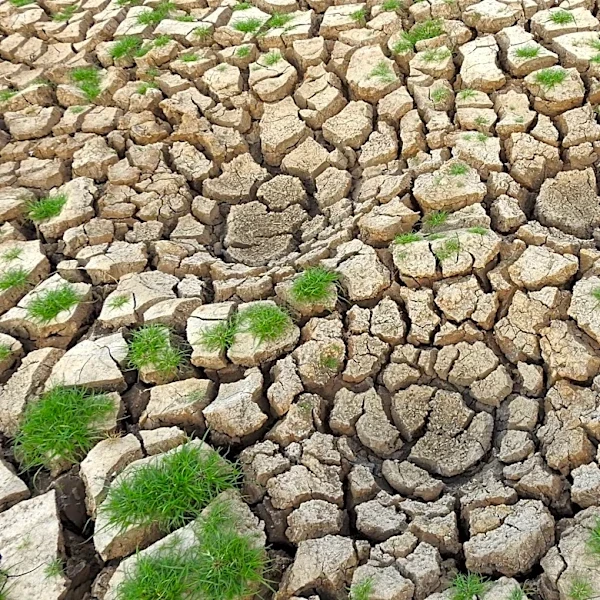
and New York City seeing temperatures in the upper 80s and 90s. This heat wave is part of a broader pattern, potentially linked to a developing heat dome stretching from the Plains to the Atlantic. The Intermountain West and Plains will also face intense heat, exacerbated by drought conditions. Nighttime temperatures are notably high in areas like Brownsville, Texas, and Key West, Florida.
Why It's Important?
The impending heat wave is a critical concern due to its potential impact on public health, infrastructure, and the environment. High temperatures can lead to heat-related illnesses, particularly among vulnerable populations such as the elderly and those with pre-existing health conditions. The strain on power grids and water resources is also a significant issue, as increased demand for air conditioning and water can lead to shortages and outages. Additionally, the heat wave highlights the ongoing challenges posed by climate change, as extreme weather events become more frequent and severe, necessitating adaptive measures and policies to mitigate their effects.
What's Next?
As the heat wave progresses, local governments and emergency services are likely to implement measures to protect public health, such as opening cooling centers and issuing heat advisories. Residents are advised to stay hydrated, limit outdoor activities during peak heat, and check on vulnerable neighbors. The situation underscores the need for long-term strategies to address climate change and improve infrastructure resilience. Policymakers may face increased pressure to invest in sustainable energy solutions and enhance public awareness about climate adaptation strategies.