




What's Happening?
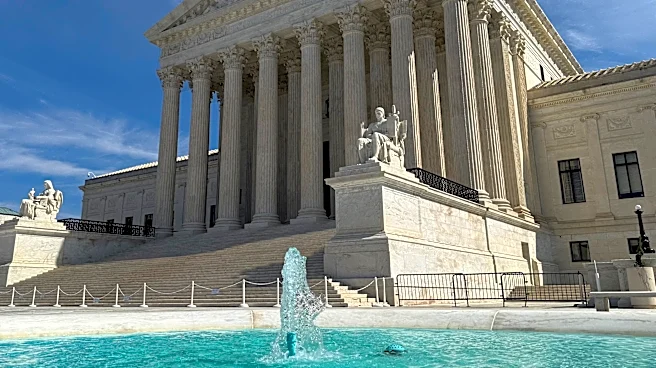
Third-year University of St. Thomas School of Law students, Miranda Sharp and Zachary Liebl, working with Professor Gregory Sisk in the Appellate Clinic, have argued before the United States Court of Appeals for the Ninth Circuit. They are challenging
the federal government's claim of public policy immunity in a case where an unsafe road design allegedly contributed to their client's injuries in a car crash. The case, Sadie Gumusyazici v. United States, involves the government's failure to install a guardrail and placement of a hazardous utility pole on an Idaho highway on tribal land, leading to severe injuries for a passenger. The students contend that the 'discretionary function exception' to the Federal Tort Claims Act should not shield the government from liability for ordinary negligence, particularly when no meaningful public policy decision is involved. This marks the 15th year of pro bono work by the Appellate Clinic, which boasts a record of prevailing in over 75% of its appeals.
Why It's Important?
This case holds significant implications for how the federal government can be held accountable for negligence in public infrastructure projects. If the Ninth Circuit rules in favor of the St. Thomas law students, it could establish a precedent that narrows the scope of the 'discretionary function exception,' making it more difficult for the government to claim immunity in similar cases of alleged negligence. This could empower individuals seeking redress for injuries caused by government-maintained infrastructure and potentially lead to increased scrutiny and higher safety standards for federal projects. Conversely, a ruling upholding the government's immunity could reinforce existing protections, potentially limiting avenues for citizens to sue the government for perceived failures in public safety. The outcome will influence legal interpretations of government liability and could impact future civil lawsuits against federal entities.
What's Next?
A decision in the case of Sadie Gumusyazici v. United States is anticipated within the next few months. The ruling from the Ninth Circuit will either affirm or challenge the federal government's application of the 'discretionary function exception' in cases of alleged negligence related to public infrastructure. Depending on the outcome, it could create new legal precedents that influence how similar cases are litigated across the country. Legal scholars and advocacy groups will closely monitor the decision for its impact on government accountability and the rights of individuals injured due to perceived federal negligence. The case also highlights the ongoing pro bono work of university law clinics in addressing complex legal issues and providing practical experience for future legal professionals.
Beyond the Headlines
The legal challenge brought by the St. Thomas University law students delves into the fundamental balance between government authority and individual rights. The 'discretionary function exception' is designed to protect government agencies from liability for policy decisions, allowing them to govern without constant fear of litigation. However, the students' argument questions whether a lack of basic safety measures, such as installing a guardrail, constitutes a policy decision or simply negligence. This case touches upon the ethical responsibility of the government to ensure public safety in its operations and infrastructure. A shift in the interpretation of this exception could lead to broader discussions about the scope of government immunity and the mechanisms available for citizens to hold their government accountable for actions or inactions that result in harm. It also underscores the vital role of legal education and pro bono clinics in advocating for justice and shaping legal interpretations.