






What's Happening?
OpenAI has introduced GPT-Rosalind, a new AI model designed specifically for life sciences, including drug discovery and translational medicine. Named after Rosalind Franklin, the model aims to streamline scientific research by improving the selection
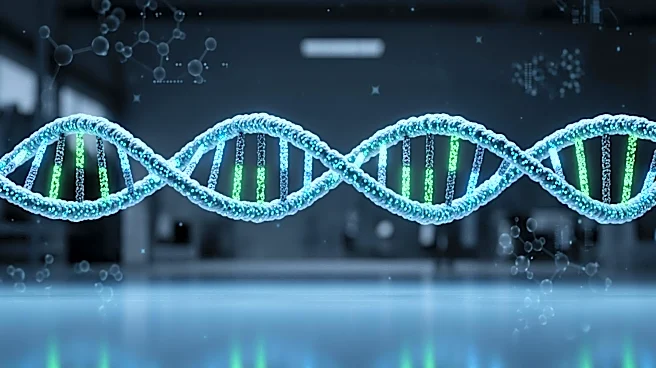
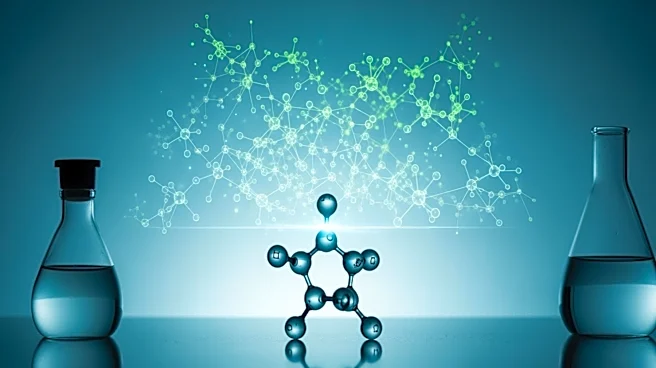
of research targets and enhancing experimental hypotheses. GPT-Rosalind has been tested on various scientific topics, such as organic chemistry and genetics, and is intended to reduce the time required for drug development and approval. OpenAI has partnered with biotechnology and pharmaceutical companies to ensure the model's responsible use and to support scientific discovery.
Why It's Important?
GPT-Rosalind represents a significant leap in the application of AI to the life sciences sector. By accelerating the drug discovery process, the model has the potential to bring new treatments to market more quickly, benefiting patients and healthcare providers. The collaboration between OpenAI and industry leaders like Amgen highlights the growing integration of AI in scientific research, promising more precise and efficient methodologies. This development could lead to breakthroughs in medicine and biology, addressing critical health challenges and advancing scientific knowledge.
Beyond the Headlines
The introduction of GPT-Rosalind also raises important ethical considerations regarding the use of AI in sensitive scientific fields. OpenAI has implemented safeguards to prevent misuse, such as the creation of biological weapons, ensuring the model's application remains focused on positive outcomes. The model's deployment through a trusted-access system reflects a cautious approach to AI integration in life sciences, balancing innovation with responsibility. As AI continues to evolve, ongoing dialogue about its ethical implications will be crucial in guiding its development and application.