









What's Happening?
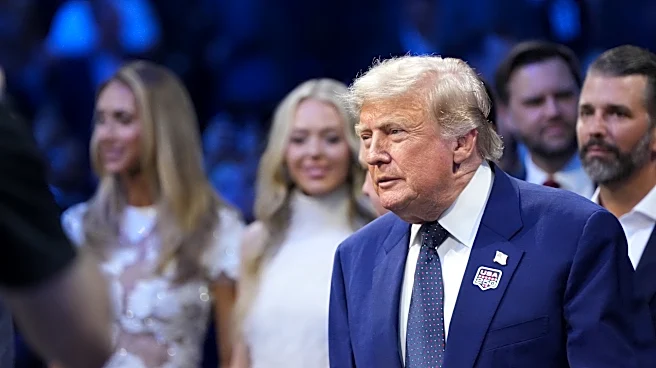
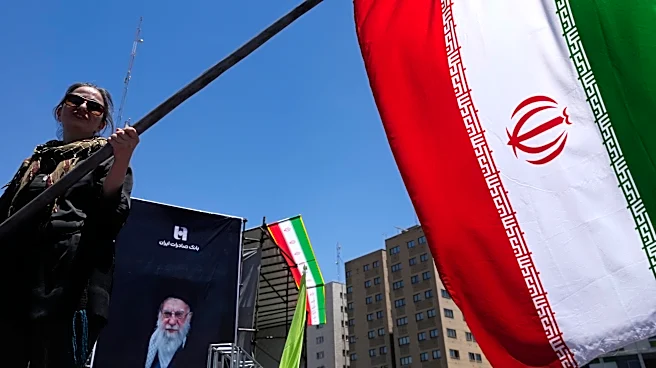
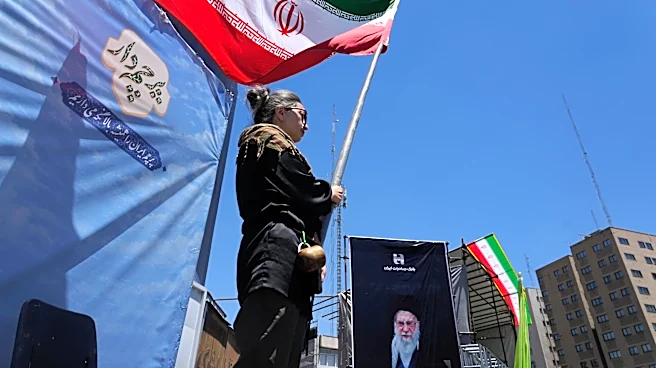
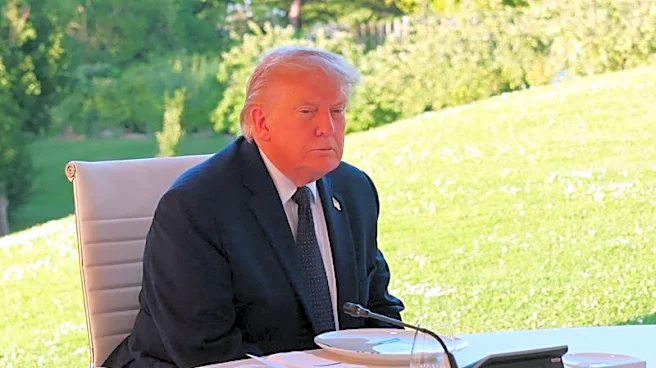
President Trump's recent deal with Iran to end the conflict and reopen the Strait of Hormuz has faced significant criticism. The memorandum of understanding (MOU) lacks detailed provisions, leading to concerns that it offers immediate benefits to Iran while
deferring critical issues like nuclear negotiations. The U.S. is set to lift its naval blockade of Iranian ports, with further talks on sanctions and nuclear programs expected in the coming months. Critics argue that the deal may weaken U.S. leverage, as Iran could gain access to frozen funds without concrete commitments. Israeli officials have expressed strong opposition, fearing limitations on military actions against Hezbollah.
Why It's Important?
The deal's implications are far-reaching, affecting regional stability and global energy markets. The reopening of the Strait of Hormuz is vital for oil flow, but the lack of clarity in the agreement raises concerns about its sustainability. The deal's perceived concessions to Iran could shift power dynamics in the Middle East, impacting U.S. allies like Israel. The criticism from both U.S. and Israeli officials highlights the geopolitical complexities and the potential for future conflicts if the agreement fails to address core issues. The deal's success or failure will have significant consequences for international relations and economic stability.
What's Next?
The next phase involves detailed negotiations to address unresolved issues, including Iran's nuclear program and sanctions. The outcome will depend on the ability of the U.S., Iran, and other stakeholders to reach a comprehensive agreement. Israel's continued military operations in Lebanon and its stance on the deal will influence regional dynamics. The U.S. administration faces pressure to provide transparency and ensure the deal aligns with national interests. The coming months will be critical in determining whether the agreement can lead to lasting peace or exacerbate existing tensions.