


What's Happening?
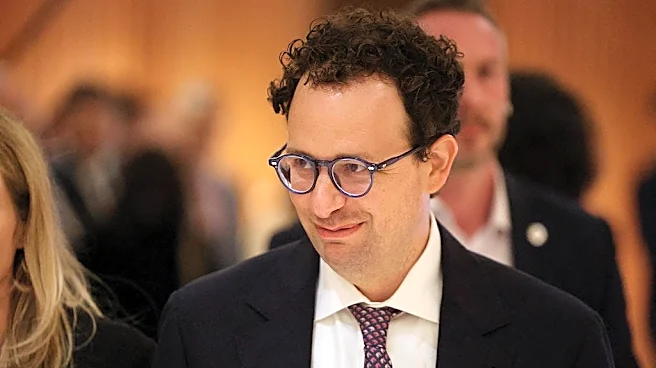
Rep. Brandon Gill (R-TX) recently had a contentious exchange with Natasha Del Toro, a reporter for Al Jazeera's 'Fault Lines' operation, in a Capitol hallway. Del Toro attempted to question Gill regarding deaths in ICE custody since President Trump took
office. Gill repeatedly pressed Del Toro to identify her affiliation, which she initially evaded, stating she worked for 'Fault Lines.' After persistent questioning from Gill, Del Toro eventually disclosed her connection to Al Jazeera English. Upon learning her affiliation, Gill expressed disinterest in speaking with Al Jazeera, telling her to 'get lost' and 'go somewhere else to report.' The interaction, captured on video, highlights Gill's firm stance against what he perceives as biased media, particularly Al Jazeera, which the source describes as a propaganda tool with an anti-American and anti-Israel agenda. The incident occurred as Gill was en route to a meeting, and he characterized Del Toro's attempts as 'gotcha questions.'
Why It's Important?
This incident is important as it underscores the escalating tensions between certain U.S. political figures and media organizations perceived as hostile or biased. Rep. Gill's public confrontation with an Al Jazeera reporter reflects a broader sentiment among some conservative politicians who view specific news outlets with skepticism, often accusing them of pushing particular political narratives. This dynamic can further polarize public discourse and erode trust in journalism, as politicians directly challenge the legitimacy and intentions of reporters. For Al Jazeera, this encounter could reinforce perceptions among its critics that it is not a neutral news source, potentially impacting its access and credibility within U.S. political circles. Conversely, for Gill and his supporters, the interaction may be seen as a strong defense against what they consider unfair or politically motivated questioning, potentially bolstering his image as a staunch conservative advocate.
What's Next?
The video of the confrontation is likely to continue circulating, fueling further debate on media ethics, journalistic transparency, and the relationship between politicians and the press. This event could prompt other lawmakers to adopt similar approaches when confronted by reporters from outlets they deem biased, potentially leading to more confrontational interactions in political settings. Al Jazeera and other media organizations might face increased scrutiny regarding their reporting practices and affiliations, especially when covering U.S. politics. For Rep. Gill, this incident could enhance his profile among his conservative base, positioning him as a vocal critic of perceived media bias. The broader implications could include a continued hardening of stances on both sides, with politicians becoming more selective about which media outlets they engage with, and media organizations potentially facing greater challenges in accessing and questioning public figures.
Beyond the Headlines
The confrontation between Rep. Gill and the Al Jazeera reporter touches upon deeper issues concerning media trust and the weaponization of information in contemporary politics. The source explicitly labels Al Jazeera as a 'propaganda' tool, reflecting a significant segment of public opinion that views certain news organizations not as objective reporters but as ideological actors. This perception can lead to a breakdown in communication between political figures and the press, hindering the public's access to diverse perspectives and accountability from elected officials. The incident also highlights the challenges faced by journalists in an increasingly polarized environment, where their affiliations can immediately trigger distrust and hostility. This trend could contribute to a more fragmented media landscape, where individuals consume news primarily from sources that align with their existing beliefs, further entrenching political divisions and making constructive dialogue more difficult.