








What's Happening?
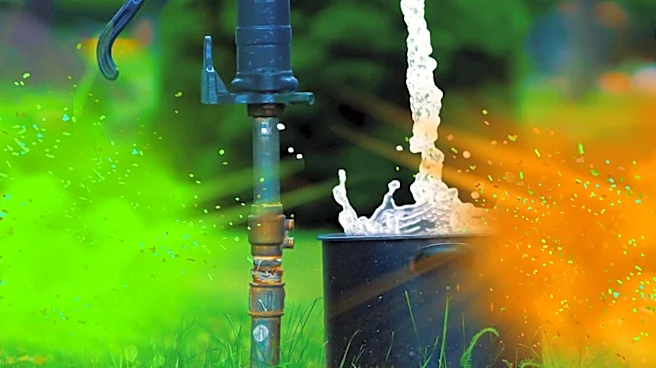
The U.S. Environmental Protection Agency (EPA) has announced a $30 million grant initiative aimed at improving drinking water and wastewater systems in small and rural communities. This funding, part of the Real Water Technical Assistance (RealWaterTA)
initiative, will provide training and technical assistance to enhance the technical, managerial, and financial capacity of small public drinking water systems, publicly owned wastewater systems, and decentralized wastewater systems. The initiative also includes support for private well owners, such as PFAS testing and lead service line identification. The EPA plans to distribute the funds among several organizations, including the Rural Community Assistance Partnership, the National Rural Water Association, and the Southwest Environmental Finance Center at the University of New Mexico.
Why It's Important?
This funding is crucial for small and rural communities that often face unique challenges in maintaining clean and safe water systems. By strengthening these systems, the EPA aims to ensure compliance with the Safe Drinking Water Act and Clean Water Act, thereby safeguarding public health. The initiative also addresses critical issues such as lead contamination and PFAS pollution, which have been significant concerns in many rural areas. By investing in operator training and system management, the EPA is helping these communities build sustainable water infrastructure, which is essential for their long-term economic and social well-being.
What's Next?
The EPA will proceed with the legal and administrative processes required to finalize the grant awards. Once completed, the recipient organizations will begin implementing the training and technical assistance programs. These efforts will focus on improving system operations, financial planning, and regulatory compliance. The success of this initiative could lead to further investments in rural water infrastructure, potentially attracting additional federal and state support. As these communities enhance their water systems, they may also see improvements in public health outcomes and economic development opportunities.