

What's Happening?
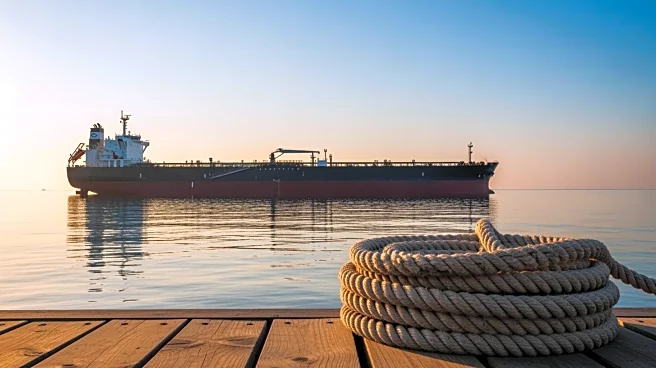
The United States has permitted a Russian oil tanker, the Anatoly Kolodkin, to deliver crude oil to Cuba, potentially alleviating the island's severe energy shortages. The tanker, carrying approximately 650,000 barrels of crude oil, departed from Russia's
Primorsk port and is expected to dock at Cuba's Matanzas port. This development comes after Cuba has faced three months without oil imports, leading to strict gasoline rationing and frequent power outages. The U.S. had previously blocked all oil shipments to Cuba as part of its strategy to pressure the Cuban government. The decision to allow the Russian tanker through is seen as a significant move, especially given the geopolitical tensions involved.
Why It's Important?
This decision by the U.S. to allow the Russian tanker to reach Cuba is crucial as it provides a temporary solution to Cuba's energy crisis, which has been exacerbated by the lack of oil imports. The move could ease the economic and social strain on the Cuban population, who have been experiencing severe power outages and fuel shortages. Additionally, this action may influence U.S.-Cuba relations and the broader geopolitical dynamics involving Russia. The U.S. had previously blocked Venezuelan oil shipments to Cuba, a key ally, and this allowance might signal a shift in U.S. policy or a strategic decision to avoid escalating tensions with Russia.
What's Next?
The arrival of the Russian oil tanker in Cuba could lead to a temporary stabilization of the energy situation on the island. However, the long-term implications depend on future U.S. policy decisions regarding oil shipments to Cuba and the geopolitical relations between the U.S., Russia, and Cuba. The Cuban government may seek to secure more stable energy supplies to prevent future crises. Additionally, the U.S. might face diplomatic challenges in balancing its sanctions policies with humanitarian considerations.