





What's Happening?
PCL Construction Inc., in partnership with Stantec, has been awarded a contract for the Lake Mathews Pressure Control Structure and Electrical System Upgrades project. This significant modernization effort targets one of Southern California’s crucial
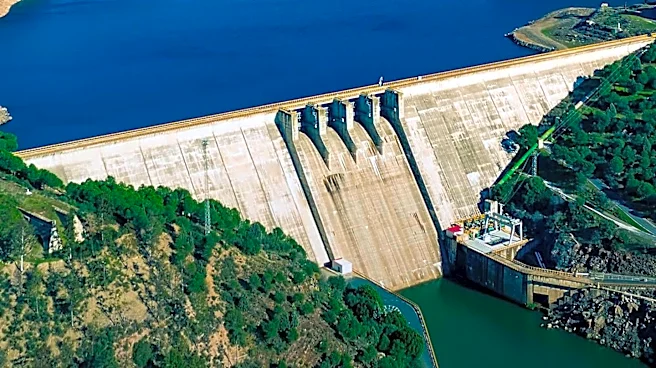
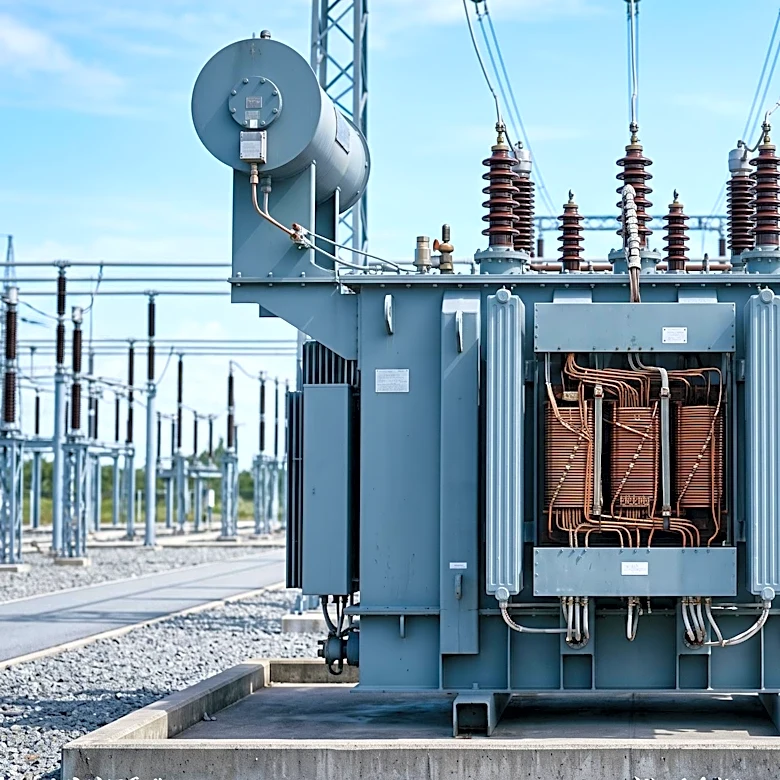
water facilities. The project aims to enhance the mechanical and electrical systems vital for the Metropolitan Water District's consistent delivery of water to its 26 member agencies, which collectively serve 19 million people across Southern California. Utilizing a progressive design-build model, the initiative will bolster the reliability and resilience of Metropolitan’s Lake Mathews facility. This facility serves as the final storage and distribution hub for water transported from the Colorado River to Southern California via the Colorado River Aqueduct. The scope of work includes constructing a new pressure control facility, approximately 70 to 80 feet deep, along with a 14-foot-diameter pipeline designed to bypass the existing forebay and pressure control structure. Additionally, the electrical system upgrades will improve long-term reliability and continuity, incorporating new main switchgear served by a new Southern California Edison service. Completion of the project is anticipated by 2033.
Why It's Important?
This project is critically important for ensuring the long-term water security and infrastructure resilience of Southern California. The Lake Mathews facility is a cornerstone of the region's water supply, distributing Colorado River water to a vast population of 19 million people. The upgrades will directly impact the reliability and efficiency of water delivery, mitigating potential disruptions that could arise from aging infrastructure. For residents and businesses in Southern California, this means a more stable and dependable water supply, which is essential for daily life, economic activity, and public health. The investment in modernizing these systems also reflects a proactive approach to managing vital resources in a region frequently challenged by water scarcity. Furthermore, the use of a progressive design-build model suggests an emphasis on cost-effectiveness and efficient project delivery, which benefits taxpayers and stakeholders by minimizing potential overruns and delays. The involvement of major firms like PCL Construction and Stantec underscores the project's scale and complexity, highlighting the significant engineering and logistical challenges involved in maintaining critical public utilities.
What's Next?
The project is currently underway, with completion expected by 2033. Over the next decade, PCL Construction and Stantec will be engaged in the detailed design and construction phases, focusing on the new pressure control facility and the extensive electrical system upgrades. Regular progress reports and updates are likely to be issued by the Metropolitan Water District to keep stakeholders informed. As the project advances, there may be temporary impacts on local communities or water distribution, though these would likely be managed to minimize disruption. Upon completion, the enhanced Lake Mathews facility is expected to operate with increased efficiency and reliability, providing a more secure water supply for Southern California for decades to come. The success of this project could also serve as a model for other regions facing similar infrastructure challenges, potentially influencing future water management strategies and investments across the U.S.
Beyond the Headlines
The modernization of the Lake Mathews facility extends beyond immediate water supply benefits, touching upon broader themes of climate resilience and sustainable urban development. In a region prone to droughts and increasing population demands, ensuring a robust water infrastructure is paramount. This project represents a significant investment in adapting to future environmental challenges and securing essential resources. It also highlights the intricate interdependencies within large-scale urban systems, where the reliability of one critical component, like a water distribution hub, can have cascading effects on millions of lives and the regional economy. The long-term implications include not only enhanced public health and economic stability but also the potential for more efficient resource management, reducing waste and optimizing water usage. This initiative underscores the ongoing need for substantial public and private investment in foundational infrastructure to support growing populations and mitigate the impacts of climate change.