







What's Happening?
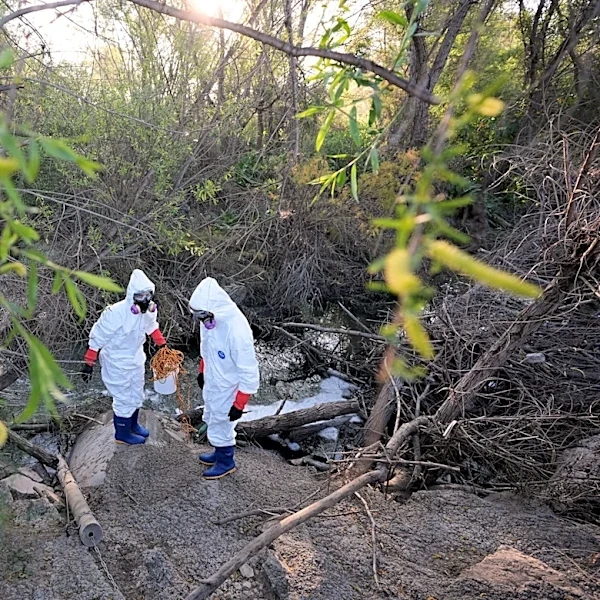
The BBC Eye team has conducted an undercover investigation revealing serious malpractice at THQ Hospital in Taunsa, Pakistan, linked to an HIV outbreak among children. The investigation found that staff reused syringes and handled medical waste improperly,
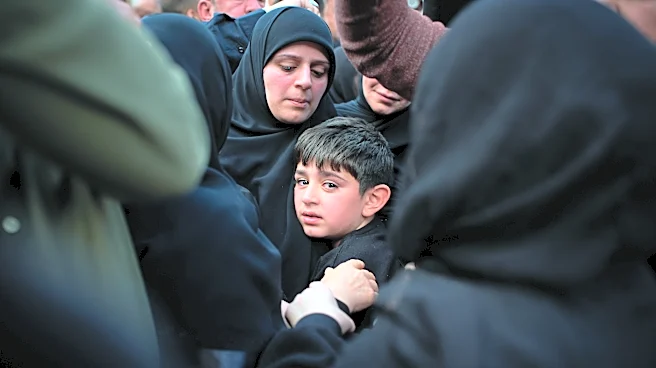
contributing to the spread of HIV. Despite government intervention and promises of a crackdown, unsafe practices continued, with 331 children testing positive for HIV between November 2024 and October 2025. The documentary 'Stolen lives: Who gave our children HIV?' highlights the scale of the outbreak and the heartbreaking stories of affected families.
Why It's Important?
This investigation sheds light on the critical need for improved infection control in healthcare settings, particularly in resource-limited areas. The outbreak has significant implications for public health, highlighting the risks of inadequate healthcare practices. It underscores the importance of government accountability and the need for systemic reforms to prevent future outbreaks. The situation also raises awareness about the social stigma and challenges faced by families affected by HIV, emphasizing the need for education and support.
What's Next?
The findings may lead to increased pressure on Pakistani authorities to enforce stricter healthcare regulations and improve hospital practices. There could be calls for international support to address healthcare deficiencies and prevent similar outbreaks. Families affected by the outbreak may seek justice and accountability from healthcare providers. The situation may prompt policy changes aimed at enhancing infection control measures and training for healthcare workers.
Beyond the Headlines
The outbreak highlights ethical concerns regarding the responsibility of healthcare providers and government oversight. It raises questions about the vulnerability of children in healthcare systems where safety protocols are compromised. The stigma faced by affected families points to the need for societal change in attitudes towards HIV. Long-term, this could lead to increased awareness and education efforts to combat misinformation and discrimination associated with HIV.