








What's Happening?
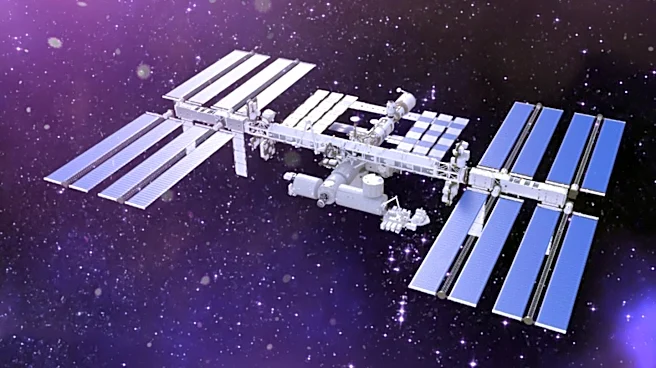
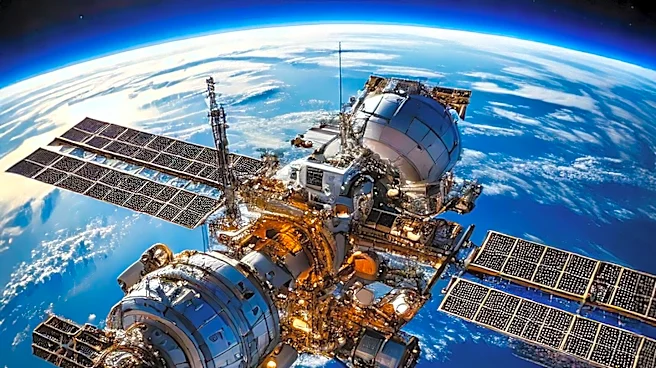
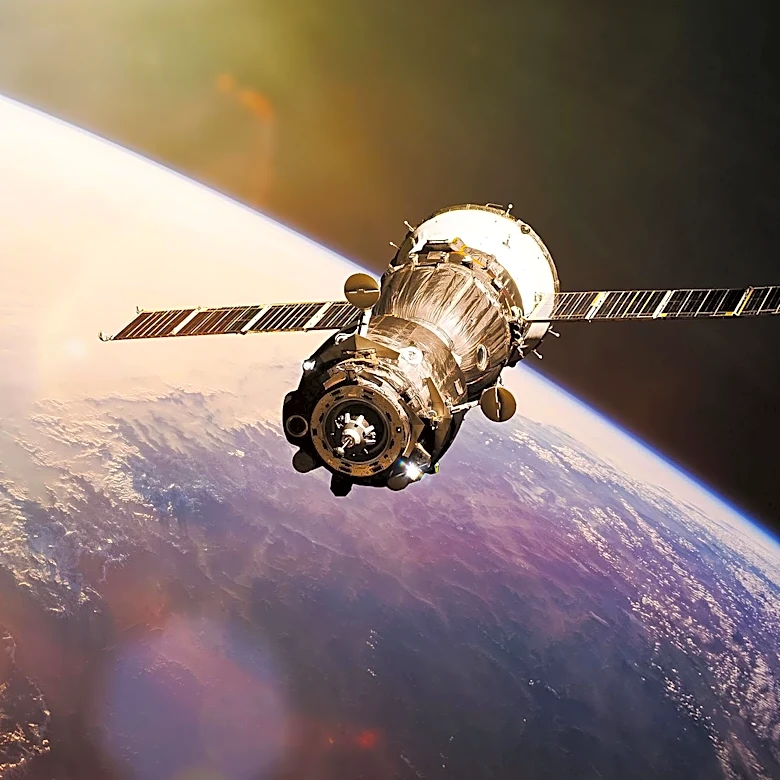
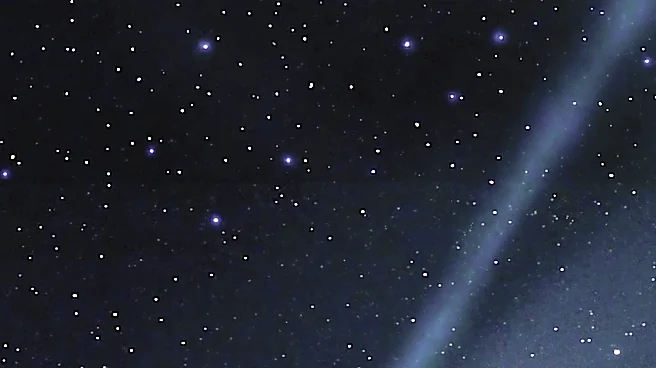
Astronauts aboard the International Space Station (ISS) experience 16 sunrises and sunsets daily, providing a unique perspective on Earth's atmosphere. From orbit, the atmosphere appears as a thin blue line, highlighting its fragility. This visual is due
to the scattering of blue light by atmospheric molecules, with the troposphere being the most visible layer. The troposphere, containing most of the atmosphere's mass and weather, appears as a narrow band compared to its vastness from the surface. The ISS orbits Earth approximately every 90 minutes, allowing astronauts to witness these rapid transitions between day and night.
Why It's Important?
The observation of Earth's atmosphere from space underscores its thinness and vulnerability, emphasizing the need for environmental conservation. This perspective can influence public policy and societal attitudes towards climate change and atmospheric protection. The visual impact of the atmosphere's thinness may inspire astronauts and the public to advocate for sustainable practices to preserve this critical layer that supports life on Earth.