



What's Happening?
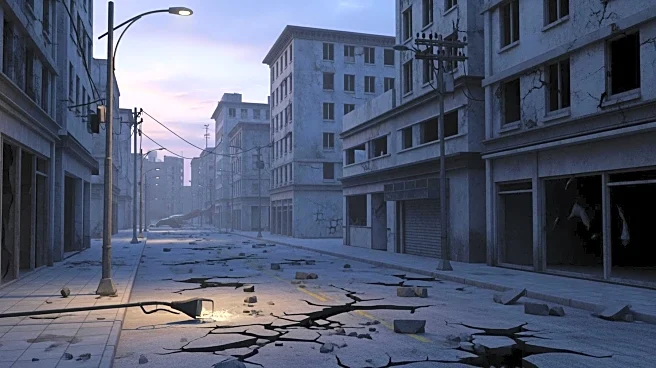
Five years after the fall of Saddam Hussein, Iraqis continue to endure significant violence and instability within their country. This ongoing turmoil is attributed to the lack of sufficient support from Washington, which has been criticized for its reluctance
to provide necessary assistance. The situation in Iraq remains dire, with many citizens unable to escape the persistent violence that plagues their daily lives. The article highlights the challenges faced by Iraqis in the aftermath of Saddam's regime and the perceived betrayal by the international community, particularly the United States.
Why It's Important?
The continued violence in Iraq underscores the long-term consequences of international military interventions and the responsibilities of foreign powers in post-conflict reconstruction. The U.S.'s perceived inaction has significant implications for its foreign policy and diplomatic relations in the Middle East. The situation also affects global perceptions of U.S. commitment to supporting democratic transitions and stability in regions affected by conflict. The ongoing instability in Iraq can have broader geopolitical ramifications, influencing regional security and international efforts to combat terrorism.