


What's Happening?
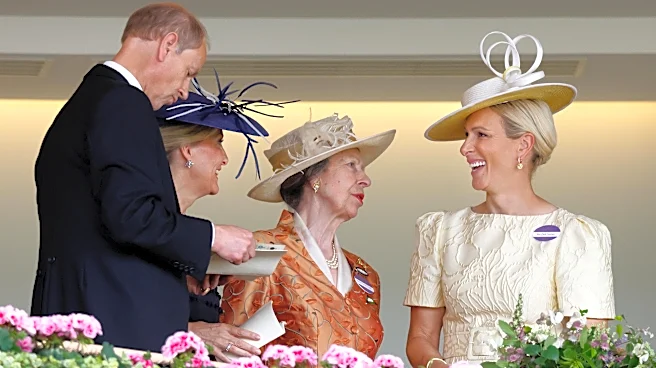
Duchess Sophie is scheduled to undertake a three-day visit to Bangladesh from November 9 to November 11. The visit, announced by Buckingham Palace, aims to highlight the strength of the UK-Bangladesh partnership and will primarily focus on the welfare,
protection, and empowerment of women and girls. During her time in Dhaka, the Duchess will meet with the President of Bangladesh and Dr. Zubaida Rahman, the Prime Minister’s spouse, to discuss shared interests. She is also slated to visit the Bangladesh Institute of Peace Support Operation Training (BIPSOT) to learn about Bangladesh's role in UN peacekeeping and emphasize the importance of women's participation in peace and security. Additionally, the Duchess will visit the Bangladesh Krira Shikkha Protishtan (BKSP) to engage with young athletes, including female hockey players, celebrating the role of sport in creating opportunities for women and girls. The visit will also include a celebration with young people marking 75 years of the British Council in Bangladesh, promoting education, cultural exchange, and women's empowerment. Following her engagements in Dhaka, Duchess Sophie will travel to Cox's Bazar to observe the work of organizations supporting Rohingya refugees, focusing on protection and support services for women, girls, and families affected by displacement.
Why It's Important?
Duchess Sophie's visit underscores the United Kingdom's commitment to international humanitarian efforts and its bilateral relationship with Bangladesh. By focusing on the empowerment of women and girls, the visit draws global attention to critical gender equality issues and the challenges faced by vulnerable populations. Her engagement with organizations supporting Rohingya refugees in Cox's Bazar highlights the ongoing humanitarian crisis and the need for sustained international support for displaced communities. This royal visit can serve to amplify the voices of those affected by conflict and displacement, potentially encouraging further international aid and policy discussions. The emphasis on women's participation in peace and security, as well as the role of sports in empowering women, reinforces broader global development goals. The visit also strengthens diplomatic ties between the UK and Bangladesh, showcasing a partnership built on shared values and mutual interests in human rights and development.
What's Next?
Following Duchess Sophie's visit, there may be increased media attention on the issues she highlighted, particularly regarding women's empowerment in Bangladesh and the plight of Rohingya refugees. This could lead to renewed discussions among international aid organizations and governments about funding and support for these causes. The engagements at BIPSOT and BKSP could inspire further initiatives aimed at promoting women's roles in peacekeeping and sports within Bangladesh. Local organizations and NGOs working in these areas may experience a boost in visibility and potential partnerships. The visit could also pave the way for future collaborative projects between the UK and Bangladesh in areas of education, cultural exchange, and humanitarian assistance, building on the 75-year celebration of the British Council. Stakeholders will likely monitor any follow-up actions or statements from the UK government or royal family regarding the outcomes and impact of the Duchess's engagements.
Beyond the Headlines
Duchess Sophie's visit extends beyond immediate diplomatic engagements, touching upon deeper societal and ethical considerations. Her focus on women and girls in Bangladesh highlights the persistent global challenges of gender inequality, violence, and lack of opportunity, particularly in developing nations and conflict-affected regions. By engaging with Rohingya refugees, the visit implicitly addresses the complex geopolitical dynamics that lead to mass displacement and the ethical responsibilities of the international community to protect vulnerable populations. The emphasis on women's participation in peace and security challenges traditional gender roles and advocates for inclusive approaches to conflict resolution and nation-building. Furthermore, the promotion of sports for girls underscores its potential as a tool for social development, fostering resilience, leadership, and breaking down societal barriers. This visit serves as a reminder of the enduring soft power of royal diplomacy in drawing attention to critical humanitarian and development issues on a global stage.