








What's Happening?
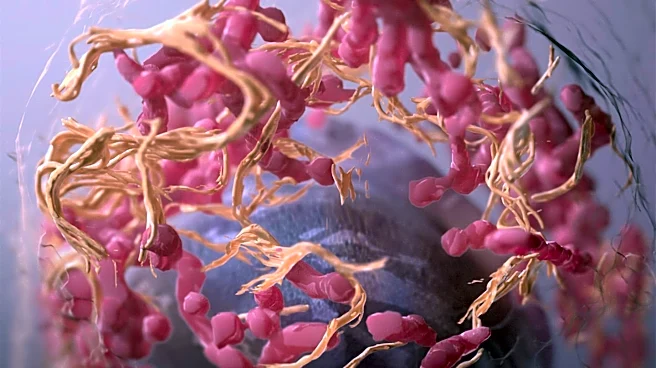
Researchers at the University of Southern California have developed a method to genetically engineer macrophage progenitor cells, potentially revolutionizing cancer immunotherapy. These engineered cells can produce potent macrophages capable of combating
both blood cancers and solid tumors. The study suggests that targeting progenitor cells may be more effective than current methods that re-engineer mature T cells. This breakthrough could lead to more effective treatments for various cancers, offering a new avenue for immunotherapy development.
Why It's Important?
This advancement in cancer treatment could significantly enhance the effectiveness of immunotherapies, particularly for solid tumors, which have been challenging to treat with existing methods. By focusing on progenitor cells, researchers can potentially create a more robust and scalable source of therapeutic cells. This could lead to improved patient outcomes and broaden the applicability of immunotherapies, impacting the healthcare industry and offering hope to patients with difficult-to-treat cancers.
Beyond the Headlines
The research highlights the potential for progenitor cells to transform not only cancer treatment but also therapies for other diseases. The ability to engineer these cells opens new possibilities for personalized medicine and targeted therapies. This development may also prompt further research into the role of progenitor cells in other areas of medicine, potentially leading to breakthroughs in treating a range of conditions.