







What's Happening?
The 1,000 Farms Initiative, led by Dr. Jonathan Lundgren and the Ecdysis Foundation, is conducting one of the largest studies on regenerative agriculture in the U.S. Launched in 2022 from Blue Dasher Farm in South Dakota, the project aims to demonstrate
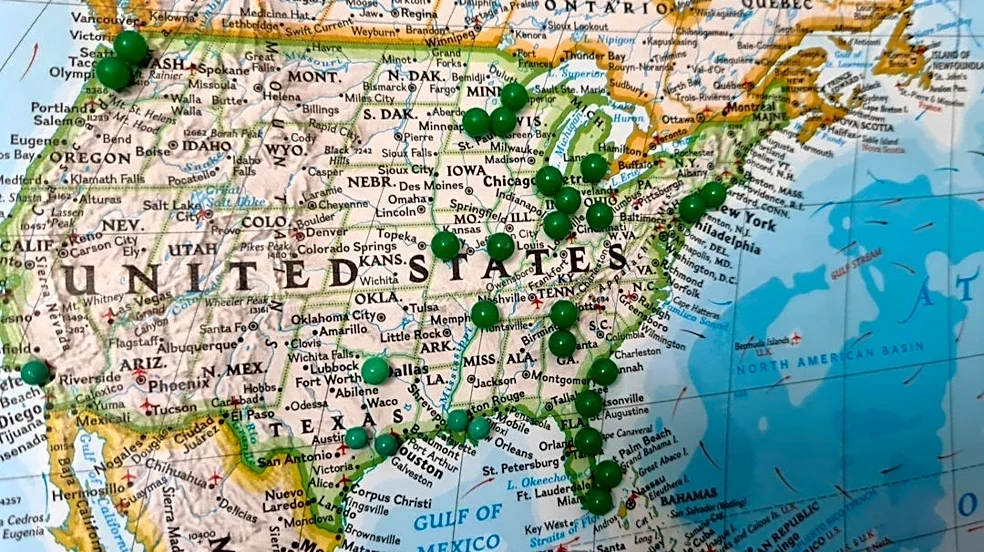
how farming can sustainably work with nature. The initiative collects data from operating farms across the U.S., with plans for expansion into Central and South America and the Caribbean. In its first three years, the project has studied over 1,700 farms, analyzing practices such as no-till farming, cover crops, diverse rotations, and rotational grazing. The research measures impacts on soil health, water use, biodiversity, carbon storage, crop yields, food quality, and farm profits. Farmers receive free assessments, valued at approximately $7,500 each, which include tailored reports and improvement tips. The Ecdysis team conducts extensive field work, including soil and water tests, plant samples, and insect sweeps, to gather comprehensive data.
Why It's Important?
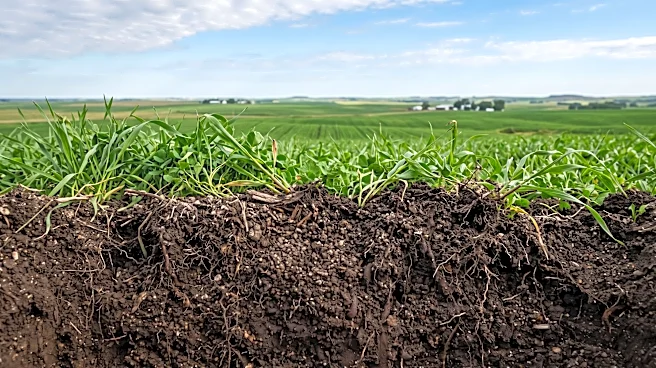
This initiative is crucial for providing data-driven evidence to support regenerative agriculture, which has often faced skepticism due to a perceived lack of scientific backing. By studying active farms rather than research plots or industrial monocultures, the project offers real-world insights into the effectiveness of these methods across diverse crops, climates, and farm sizes. The findings could significantly influence agricultural practices, potentially leading to improved environmental outcomes such as enhanced soil health, increased water retention, and greater carbon storage, which are vital for combating climate change. Economically, the research aims to show how regenerative practices can boost farm income by reducing reliance on costly fertilizers and pesticides. Furthermore, the initiative seeks to empower farmers with practical data and foster stronger rural communities through knowledge sharing and networking, addressing issues like farmer isolation.
What's Next?
The 1,000 Farms Initiative plans to expand its reach, aiming to connect with 600,000 farmers by 2026 through partnerships, field days, and educational programs. The full analysis of the collected data is ongoing, and the release of comprehensive results is anticipated to provide strong evidence for the benefits of regenerative agriculture. Ecdysis intends to use this data to advocate for policy changes that support sustainable farming practices and to train farmers as community-scientists. The project is also focusing on testing regenerative systems against extreme weather conditions and ensuring the inclusion of diverse producers, including BIPOC and women farmers. The initiative's long-term goal is to influence consumers, policymakers, and markets to invest in and support a more sustainable food system.
Beyond the Headlines
The initiative's focus on real-world farm data challenges the traditional research model, which often relies on controlled environments that may not fully reflect the complexities of commercial farming. This approach fosters trust with farmers and ensures the research is directly applicable to their operations. The project also highlights the ethical dimension of agriculture by promoting practices that work in harmony with nature, contrasting with industrial farming methods that can have significant environmental and ethical costs. The emphasis on community building among farmers addresses the social aspect of agriculture, recognizing that shared knowledge and support are vital for successful transitions to new practices. The potential for this research to influence policy and market demand could lead to a broader societal shift towards more sustainable food production and consumption patterns in the U.S. and beyond.