




What's Happening?
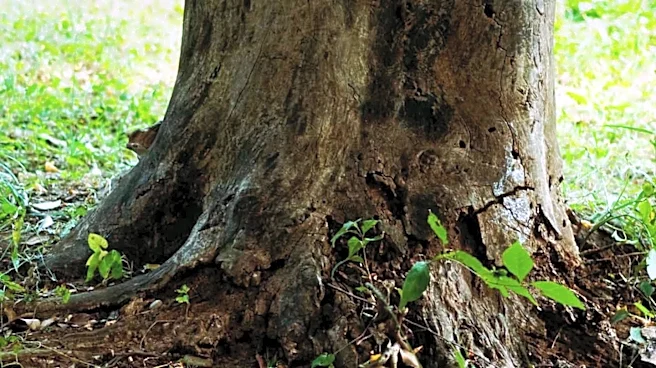
An 8-year-old boy from Sudbury, Massachusetts, died after being struck by a falling tree at YMCA Camp Chickami in Wayland. The incident occurred on Tuesday morning at approximately 10:45 a.m. A camp employee was also injured in the event, sustaining minor
injuries and later being treated and released from a local hospital. The child was hit by a large branch, while the counselor was struck by a smaller branch. Following the incident, the camper was transported to Wayland Town Hall, then airlifted by MedFlight helicopter to Massachusetts General Hospital, where he later succumbed to his injuries. The West Suburban YMCA, which operates Camp Chickami, expressed grief over the loss and stated that the camp would remain closed for the remainder of the week. Grief counseling and support resources are being made available to camp staff, campers, and their families. The boy was a student at Sudbury's Loring Elementary School.
Why It's Important?
This tragic incident highlights critical safety concerns at summer camps and outdoor recreational facilities, particularly regarding environmental hazards like falling trees. The death of a child at a YMCA camp underscores the need for rigorous safety protocols, including regular inspections of grounds and trees, especially in areas prone to such risks. For parents, it raises questions about the due diligence performed by camp operators to ensure a safe environment for children. For the camp industry, it could lead to increased scrutiny from regulatory bodies and potentially revised safety standards to prevent similar occurrences. The emotional toll on the community, including the boy's family, fellow campers, and staff, is significant, emphasizing the broader societal impact of such unforeseen accidents. This event may prompt other camps to review and enhance their risk assessment and emergency response plans.
What's Next?
YMCA Camp Chickami will remain closed for the rest of the week as the community grieves and investigations likely proceed. Authorities, including the Wayland Police and Fire Departments, are involved in understanding the circumstances of the incident. The West Suburban YMCA is providing grief counseling and support to those affected, including camp staff, campers, and their families. It is probable that a thorough review of the camp's safety procedures, tree maintenance protocols, and emergency response will be conducted. This incident may also lead to broader discussions within the summer camp industry about best practices for identifying and mitigating environmental risks, potentially resulting in updated guidelines or regulations for camp safety across Massachusetts and beyond. The family of the deceased child will be navigating an immense loss, and the community will continue to offer support.
Beyond the Headlines
The incident at Camp Chickami extends beyond immediate safety concerns, touching upon the psychological impact of trauma on children and staff present during such an event. The closure of the camp, while necessary for grieving and investigation, also disrupts the summer plans for many families and highlights the fragility of recreational activities. This tragedy could spark a broader conversation about the balance between providing children with outdoor experiences and ensuring their absolute safety, especially in natural environments that inherently carry risks. Furthermore, it may influence insurance policies and liability considerations for organizations operating outdoor programs. The long-term effects on the perception of summer camps and the trust parents place in them could also be significant, potentially leading to a demand for greater transparency and more stringent safety certifications.