







What's Happening?
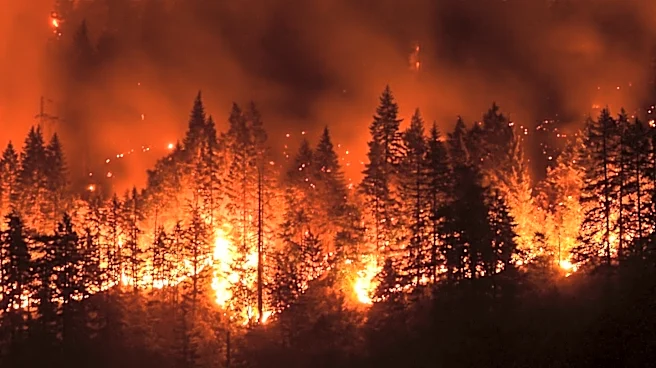
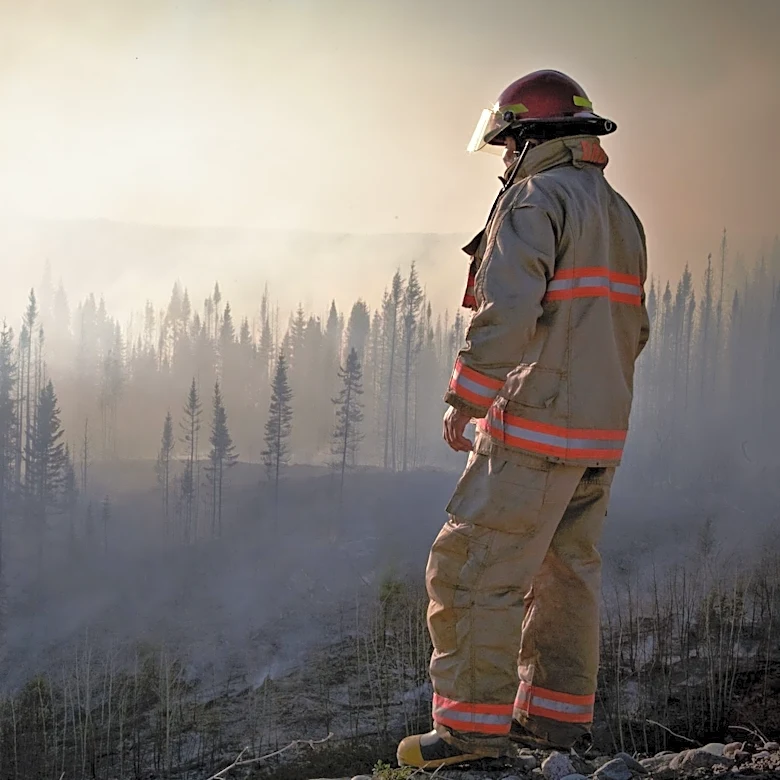
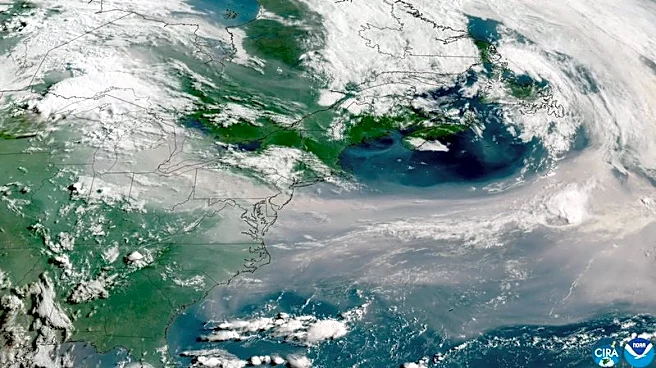
The increasing frequency and intensity of wildfires, exacerbated by climate change, have heightened concerns about air quality both outdoors and indoors. According to experts, wildfires have significantly increased particulate matter in the air, contributing
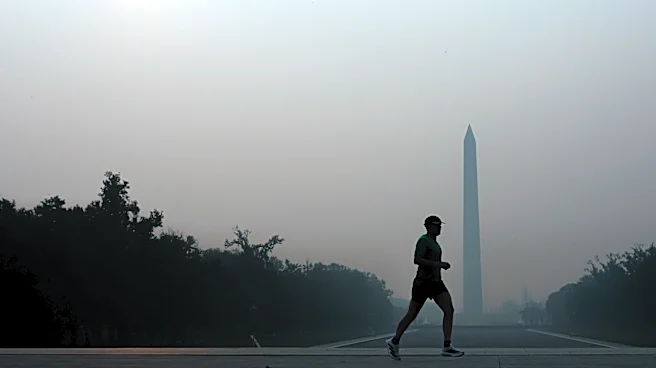
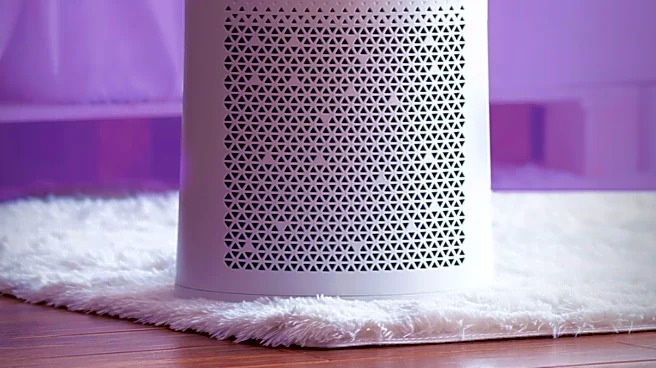
to poor air quality. This has led to a growing interest in air purifiers as a means to improve indoor air quality. Air purifiers, which can range in price from $50 to $1,000, are becoming more common in homes, especially in areas affected by wildfires. They are designed to filter out pollutants and improve air quality, but they are not a complete solution. Experts emphasize the importance of source control and ventilation as primary steps in addressing air quality issues. The Environmental Protection Agency (EPA) has noted improvements in outdoor air quality over the years, but indoor air pollution remains a significant concern.
Why It's Important?
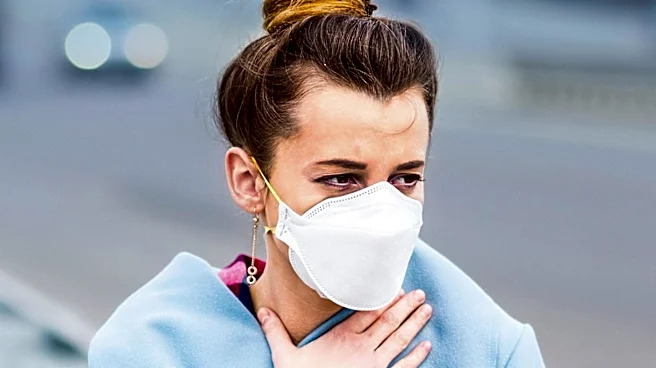
The rise in air purifier usage reflects a broader public health concern about air quality, particularly in the context of increasing wildfire activity. Poor air quality has immediate health effects, such as difficulty breathing and irritation, and long-term exposure can lead to serious health issues like lung damage and cardiovascular problems. The demand for air purifiers highlights the need for effective solutions to mitigate the health impacts of air pollution. This trend also underscores the importance of regulatory measures, such as the Clean Air Act, in improving air quality. However, the lack of a Clean Indoor Air Act means that indoor air pollution remains a largely unregulated issue, posing ongoing health risks.
What's Next?
As wildfires and other sources of air pollution continue to pose challenges, the development of more advanced air purification technologies is anticipated. Future air purifiers may include AI-driven predictive capabilities to anticipate pollution events and adjust filtration accordingly. There is also potential for integration with smart home systems to create a more holistic approach to managing indoor air quality. Additionally, public awareness and advocacy for stronger air quality regulations may increase as more people experience the effects of poor air quality firsthand.
Beyond the Headlines
The focus on air purifiers also raises questions about environmental justice, as communities of color are disproportionately affected by poor air quality. This highlights the need for equitable access to clean air solutions and the importance of addressing systemic issues that contribute to environmental disparities. Furthermore, the reliance on air purifiers points to a broader societal challenge of balancing technological solutions with sustainable practices to address environmental and health concerns.