


What's Happening?
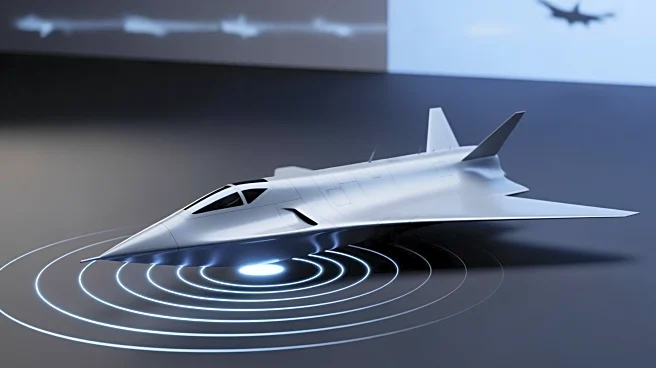
The U.S. Navy is pursuing the development of a new anti-radiation missile, known as the Advanced Emission Suppression Missile (AESM), which is intended to have a longer range than current weapons. This missile must be compatible with existing launch platforms
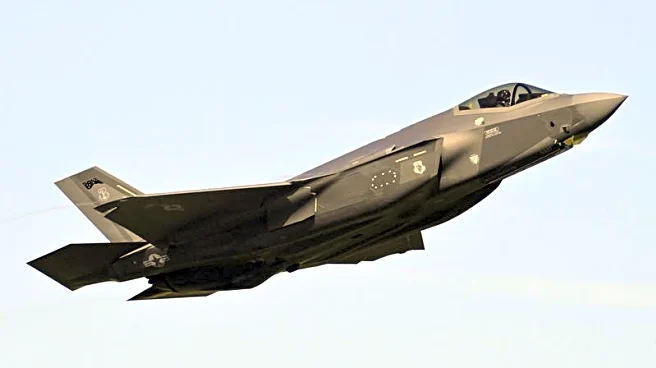
such as the F-18 and F-35 aircraft, as well as the infrastructure supporting the Navy and Air Force's current inventory of anti-radiation guided missiles. The Navy plans to order up to 300 missiles annually, with the goal of fielding the weapon within two years of contract award. The AESM is expected to target modern radar systems that are designed to minimize vulnerability to anti-radiation weapons, featuring a seeker with broad frequency coverage, GPS and INS guidance, and the ability to engage both air and ground targets.
Why It's Important?
The development of the AESM is significant for maintaining the U.S. military's technological edge in electronic warfare. As adversaries continue to advance their radar systems to evade detection and targeting, the AESM aims to ensure that U.S. forces can effectively neutralize these threats. This capability is crucial for maintaining air superiority and protecting assets in contested environments. The missile's compatibility with existing aircraft like the F-18 and F-35 ensures that the Navy can integrate this new technology without extensive modifications to its current fleet, thereby saving time and resources. The AESM's potential for pre-emptive targeting capabilities could also enhance strategic options for the U.S. military.
What's Next?
The Navy has set a submission deadline of March 18, 2026, for proposals related to the AESM. Following this, the Navy will likely evaluate submissions and award contracts to develop and produce the missile. The focus will be on ensuring that the AESM meets the Technology Readiness Level 7, indicating that the prototype is ready for demonstration in an operational environment. The development and testing phases will be critical to ensure the missile's effectiveness against advanced radar systems. Stakeholders, including defense contractors and military strategists, will be closely monitoring the progress of this initiative.