





What's Happening?
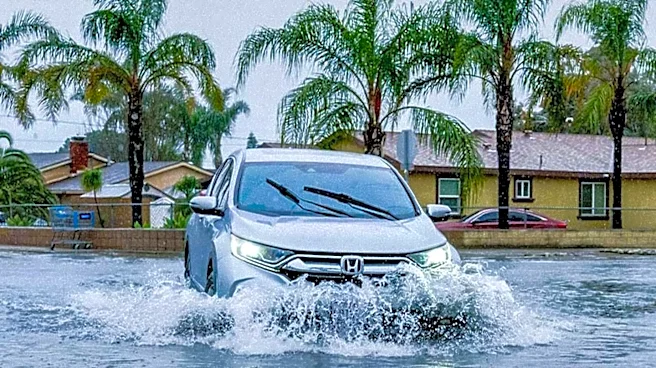
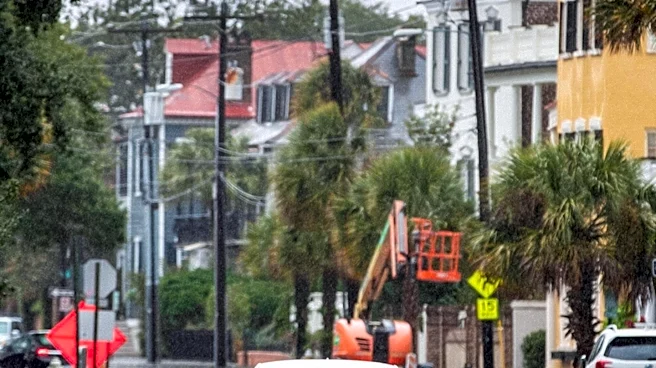
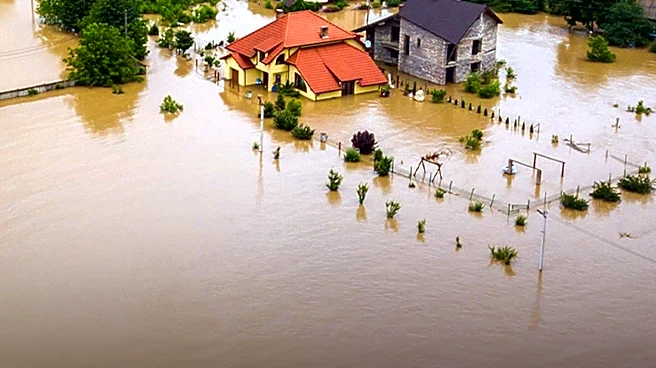
Recent flash flooding across several U.S. states and forecasts of a potentially strong El Niño winter are highlighting an urgent need for businesses and property owners to reassess their flood exposure and insurance coverage. According to a November 6
report by Aon, economic losses from heavy rain and flash flooding in Florida, the Southwest, and southern Appalachia in early November are expected to reach hundreds of millions of dollars. Insured losses are likely to cover only a fraction of these total economic losses, primarily because many properties located outside of designated flood zones lack adequate flood insurance. The U.S. Government Accountability Office (GAO) reported in October that approximately 12.8 million U.S. residential and commercial properties outside FEMA-designated high-risk zones face a high flood risk. Heavy rainfall alone was identified as the primary flood risk for 62% of these properties, a factor generally not accounted for in FEMA's current flood maps. Experts, such as John Dickson, president and CEO of Aon Edge, emphasize that flood events are no longer confined to areas near rivers and coastal waterways, stating that 'Anywhere that can be exposed to extreme rainfall has a risk.'
Why It's Important?
The expanding scope of flood threats beyond traditionally mapped high-risk areas has significant implications for property owners, businesses, and the insurance industry across the U.S. The GAO's finding that millions of properties outside FEMA's high-risk zones are still vulnerable to flooding, particularly from heavy rainfall, indicates a critical gap in current risk assessment and insurance coverage. This situation leaves many property owners financially exposed to substantial losses, as standard homeowners' insurance policies typically do not cover flood damage. The underinsurance of properties in these newly recognized risk areas means that economic recovery after flood events will be more challenging, potentially leading to greater financial strain on individuals and communities. For businesses, the lack of comprehensive flood insurance, especially for business interruption, can lead to prolonged closures and significant revenue loss, impacting local economies. The anticipated strong El Niño further exacerbates this concern, as historical data shows a 19% increase in storm events along the U.S. West Coast during El Niño winters, increasing the risk of widespread flooding and related hazards like landslides and mudslides.
What's Next?
In response to the growing flood threats, there is an anticipated push for businesses and property owners to re-evaluate their flood insurance needs. Private flood insurance providers are already adapting, with companies like Neptune Flood increasing commercial building limits to up to $15 million and offering optional business interruption coverage up to $1 million. This indicates a market response to the demand for more comprehensive coverage beyond the government-backed National Flood Insurance Program (NFIP), which has lower limits and does not cover business interruption. Experts advise businesses to assess their flood exposure beyond FEMA maps, consider additional coverage for earth movement, and ensure water damage is distinctly addressed in their policies. This proactive approach will likely lead to increased uptake of private flood insurance and a more detailed review of policy terms, including sublimits and deductibles. Furthermore, there may be increased pressure on FEMA and other governmental bodies to update flood risk maps to incorporate heavy rainfall data, providing a more accurate representation of flood vulnerability across the nation.
Beyond the Headlines
The evolving understanding of flood risk highlights a broader systemic challenge in how the U.S. prepares for and mitigates natural disasters. The inadequacy of current FEMA flood maps to account for heavy rainfall-induced flooding points to a need for a more dynamic and comprehensive approach to climate risk assessment. This situation could trigger a re-evaluation of urban planning and infrastructure development, particularly in areas previously considered safe from flooding. There are also significant ethical and equity implications, as communities with less access to information or financial resources may remain unaware of their true flood risk and thus be disproportionately affected. The increasing frequency and intensity of rainfall events, potentially linked to climate change, suggest that this issue will only grow in importance, necessitating long-term strategies that integrate climate science, urban resilience, and equitable insurance access. The shift towards private flood insurance also raises questions about affordability and accessibility for all property owners, potentially creating a two-tiered system of protection.