







What's Happening?
Iran has submitted a new proposal to the United States through Pakistan, aiming to address the ongoing tensions surrounding the Strait of Hormuz. This development comes as both nations remain at an impasse, with each waiting for the other to make the first
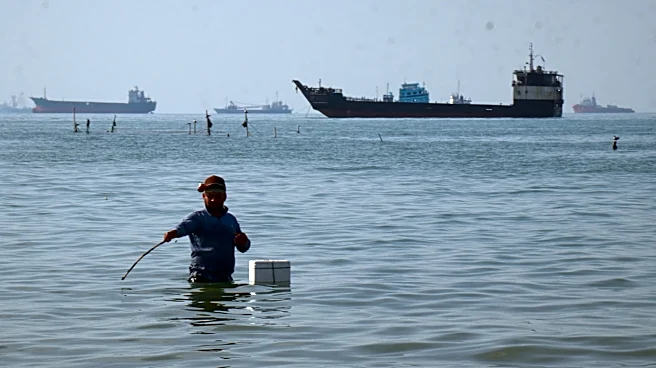
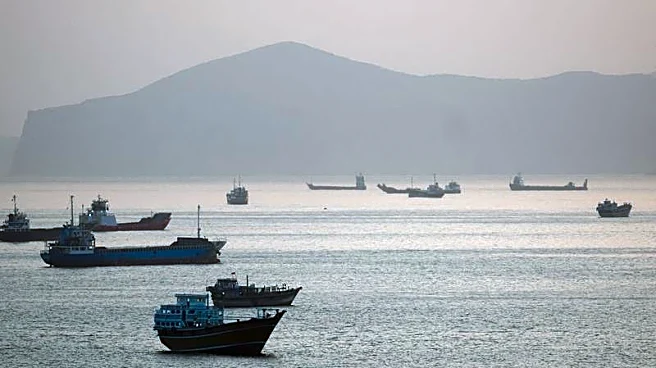
move towards easing restrictions on the vital waterway. The Strait of Hormuz is crucial as it previously facilitated the flow of about a fifth of the world's oil and liquefied natural gas. The Iranian proposal's specifics remain undisclosed, particularly concerning the strait and Iran's nuclear activities. Meanwhile, President Trump has maintained a naval blockade on Iranian ports, asserting that this pressure will compel Iran to return to negotiations. Iranian officials, including Parliament Speaker Mohammad Bagher Ghalibaf, have criticized the blockade, suggesting it will exacerbate oil price increases. The U.S. is also seeking to form a joint naval force to secure the strait, with mixed responses from potential allies.
Why It's Important?
The situation holds significant implications for global oil markets and geopolitical stability. The Strait of Hormuz is a critical chokepoint for energy supplies, and any prolonged disruption could lead to increased oil prices, affecting economies worldwide. The U.S. blockade strategy aims to economically pressure Iran, potentially leading to diplomatic resolutions or further escalation. The involvement of international allies in a joint naval force could either stabilize the region or draw more countries into the conflict. Domestically, the U.S. administration faces scrutiny over the conflict's costs and the need for Congressional authorization under the War Powers Act, as the situation nears a 60-day threshold.
What's Next?
Future developments hinge on diplomatic negotiations and military strategies. The U.S. may continue to rally international support for its naval initiative, while Iran's response to the blockade and proposal outcomes will be pivotal. Congressional debates in the U.S. regarding the conflict's authorization and funding are likely to intensify. Additionally, economic indicators, such as oil prices and Iran's currency stability, will be closely monitored as potential pressure points influencing diplomatic decisions.