
What's Happening?
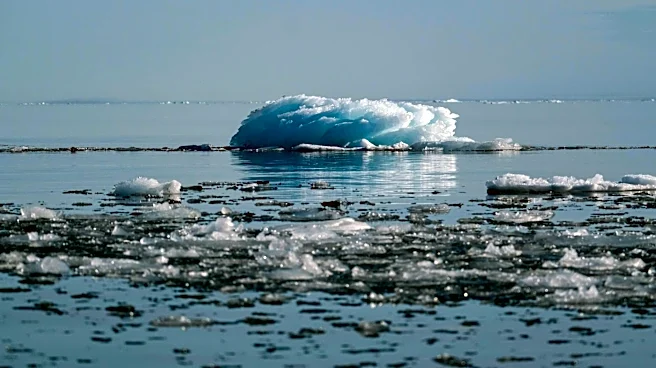
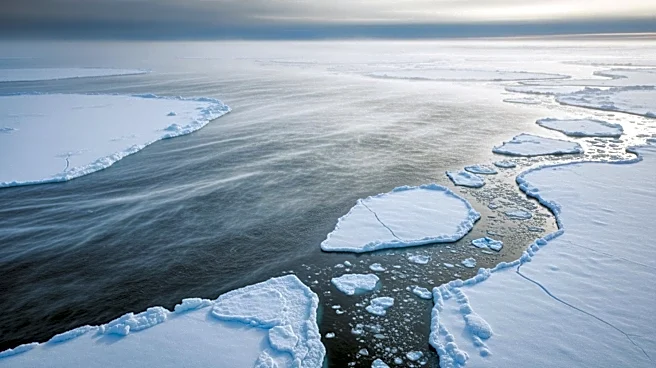
A recent study published in Science Advances has identified the causes behind the dramatic loss of sea ice in Antarctica, which began in 2015. Researchers found that strong winds disrupted the Southern
Ocean's layers, bringing warmer, saltier water to the surface and initiating ice melt. This process was exacerbated by the reduced reflection of sunlight due to decreased ice cover, leading to further warming and ice loss. The study highlights the complex interactions between atmospheric and oceanic conditions that have accelerated sea ice decline.
Why It's Important?
The findings provide critical insights into the mechanisms driving sea ice loss in Antarctica, a region that plays a vital role in global climate regulation. The loss of sea ice has significant implications for global sea levels, as it can lead to increased melting of land ice and contribute to rising sea levels. Understanding these processes is essential for improving climate models and predicting future changes, which are crucial for informing global climate policy and adaptation strategies.
What's Next?
Researchers will continue to monitor Antarctic sea ice conditions and refine models to better predict future changes. The study's findings may prompt further investigation into the feedback mechanisms that exacerbate ice loss and their implications for global climate systems. Policymakers and climate scientists will need to consider these insights when developing strategies to mitigate and adapt to the impacts of climate change.