





What's Happening?
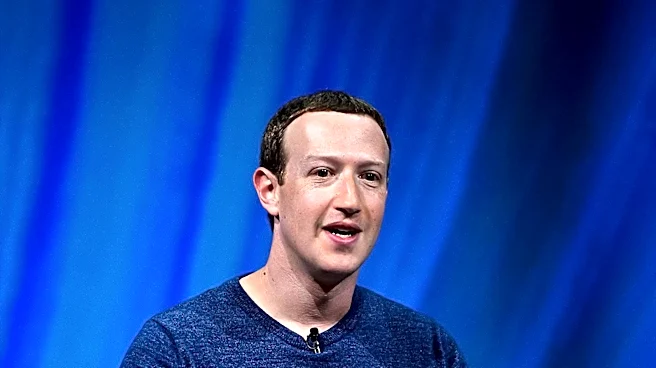
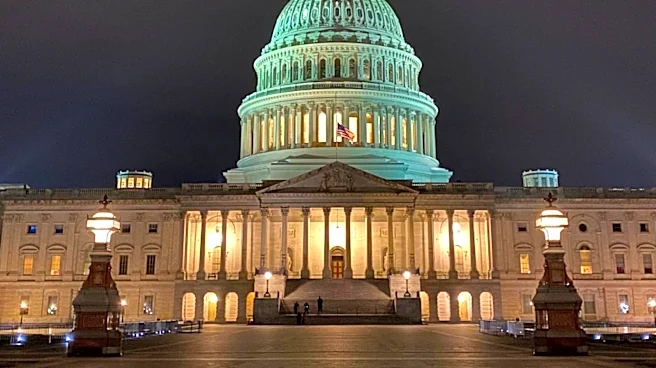
Eighteen Bay Area lawmakers, including Rep. Kevin Mullin, Rep. Nancy Pelosi, and Rep. Lateefah Simon, have sent a letter to Mark Zuckerberg, CEO of Meta, expressing significant concerns about the company's content moderation policies. The letter highlights
issues such as fact-checking rollbacks, the automation of risk review, and the proliferation of AI-generated content across Meta's platforms, including Facebook, Instagram, Threads, and WhatsApp. Rep. Mullin emphasized that Meta's decisions profoundly influence what Americans see daily, and voters have a right to discern real from fake information, especially with a majority of Americans relying on social media for news. The lawmakers are particularly worried about the impact of deepfakes and AI-generated misinformation on the upcoming 2026 midterm elections. They cited instances like a fake conservative influencer created by a 22-year-old in India that garnered millions of views before being removed, and deepfakes circulating in Senate races in Texas and Georgia. Meta has not yet responded to the lawmakers' request for comment.
Why It's Important?
This initiative by Bay Area lawmakers underscores a growing concern among U.S. political figures regarding the integrity of information on social media platforms, particularly in the context of elections. Meta's content moderation policies directly impact the democratic process by shaping public discourse and potentially influencing voter perceptions. The rise of generative AI makes it easier and cheaper to produce and target misinformation, posing a significant challenge to electoral institutions. If Meta fails to adequately address these concerns, it could lead to widespread voter manipulation, erosion of trust in election outcomes, and further polarization of the American electorate. The call for transparency and accountability from a major tech company like Meta is crucial for safeguarding democratic principles and ensuring that voters make informed decisions based on accurate information, rather than AI-generated falsehoods or unverified content.
What's Next?
Rep. Mullin has given Meta until September 18 to respond to nine specific questions outlined in the letter. These questions cover various aspects, including staffing plans and budget allocations for election integrity teams, as well as the company's current ad disclosure requirements. The response from Meta will likely dictate the next steps for these lawmakers, which could include further legislative action, public hearings, or increased pressure on the company to implement more robust content moderation strategies. Additionally, State Sen. Aisha Wahab plans to file a complaint with the Federal Election Commission regarding social media interference, citing a surge of suspicious accounts and bot-like activity in a California Senate race. This indicates a broader push for regulatory oversight and accountability for social media platforms in the lead-up to the 2026 midterms.
Beyond the Headlines
The concerns raised by these lawmakers extend beyond immediate election integrity to the fundamental ethical and societal implications of artificial intelligence and social media. The 'massive political influencer economy' operating on these platforms, often without public disclosure, highlights a significant transparency deficit. While California has laws requiring disclosure for political ads, enforcement remains challenging, leaving voters unaware of the true sources behind the content they consume. This situation raises profound questions about the role of technology companies in maintaining a healthy public sphere and their responsibility to protect democratic institutions. The long-term shift could involve increased governmental regulation of social media content, potentially leading to debates about free speech versus the prevention of misinformation, and the balance between technological innovation and societal well-being.