





What's Happening?
A 7-year-old nonverbal autistic child, Asher, who was reported missing on Thursday afternoon from his home near 45th Street North and N. Delaware Ave in Tulsa, Oklahoma, has been found deceased. The Tulsa Fire Department's search dog and handler located
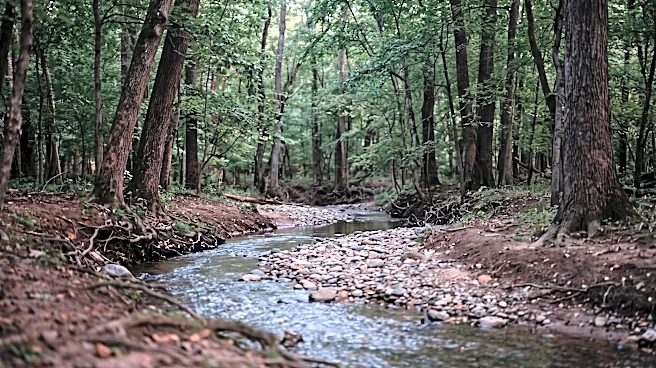
Asher near a creek, less than two blocks from his residence. Over 200 officers, along with a helicopter, drones, and several search dogs, participated in the extensive search efforts. The Tulsa Fire Department also deployed boats in nearby creeks, and EMSA and the Tulsa County Sheriff’s Office were on standby. The search was particularly challenging due to the heavily wooded area. Authorities have stated that no foul play is suspected, and the medical examiner will determine the cause of death. The community, including numerous citizens, also joined in the search for Asher.
Why It's Important?
This tragic incident highlights the critical challenges and heightened risks associated with missing children, particularly those with special needs such as nonverbal autism. The extensive deployment of resources, including over 200 officers, specialized search teams with dogs, aerial support, and community involvement, underscores the urgent and comprehensive response required in such cases. For families with autistic children, the risk of wandering or elopement is a significant concern, often leading to dangerous situations. This event serves as a somber reminder of the need for increased awareness, preventative measures, and rapid response protocols to protect vulnerable individuals. The community's widespread participation in the search also reflects the profound impact such disappearances have on local residents and the collective desire to assist in times of crisis.
What's Next?
The medical examiner will conduct an investigation to determine the official cause of Asher's death. While authorities currently suspect no foul play, the medical examiner's report will provide definitive answers regarding the circumstances. The Tulsa Fire Department has requested that the public respect the family's privacy during their time of grief. This incident may prompt local authorities and community organizations to review and potentially enhance existing protocols for responding to missing persons, especially those involving vulnerable populations. There could also be discussions within the community about increasing support and resources for families with autistic children to prevent similar tragedies, such as awareness campaigns or improved tracking technologies. The focus will remain on supporting the grieving family and understanding the full context of this unfortunate event.
Beyond the Headlines
Beyond the immediate tragedy, this event brings to light broader societal discussions regarding the safety and care of individuals with autism, particularly nonverbal children. The challenges faced by families in ensuring the safety of their loved ones, who may be prone to wandering and unable to communicate their distress, are immense. This incident could spark renewed calls for greater public understanding of autism, improved community support systems, and the development of more effective preventative strategies, such as specialized tracking devices or community alert systems tailored for vulnerable populations. It also underscores the emotional toll such events take on first responders and the community at large, highlighting the need for mental health support for those involved in extensive search operations. The collective grief and outpouring of support from the community reflect a shared sense of responsibility and empathy for the most vulnerable among us.