





What's Happening?
The concept of gut health has emerged as a significant trend in wellness, nutrition, fitness, and preventive healthcare. This growing interest focuses on the gut microbiome, a community of trillions of microorganisms residing in the digestive tract, primarily
the large intestine. Previously, digestive health discussions were limited to issues like acidity, constipation, and bloating. However, the conversation has expanded to include the microbiome's influence on immunity, metabolism, mood, energy, sleep, and long-term health. Social media, wellness influencers, and healthcare professionals have contributed to this movement, leading to increased attention on probiotic drinks, fermented foods, fiber-rich diets, and microbiome testing. The gut microbiome aids in breaking down food components the human body cannot fully digest, with some bacteria fermenting dietary fiber to produce short-chain fatty acids that support intestinal health. It also interacts with the immune system and helps maintain the intestinal barrier. Each individual possesses a unique gut microbiome, shaped by genetics, age, diet, medication, lifestyle, and environmental factors. A healthy microbiome is characterized by microbial diversity, the functions microorganisms perform, and the balance between the microbiome and its host, rather than the presence of a single 'good' bacteria.
Why It's Important?
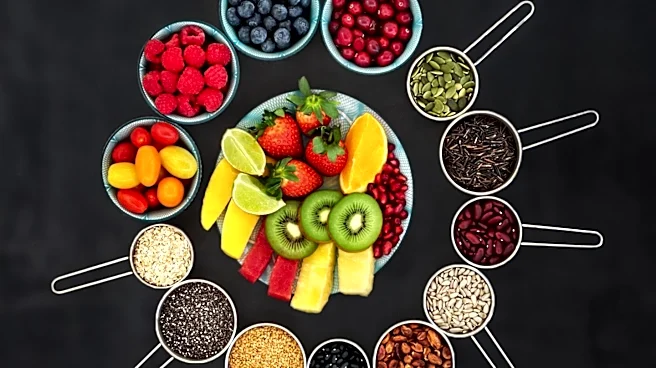
The increasing focus on gut health signifies a shift in public perception towards preventive health and holistic well-being. Consumers are actively seeking ways to support their bodies through daily habits, moving beyond solely treating illnesses to understanding the interconnectedness of nutrition, digestion, sleep, and lifestyle. This trend has spurred innovation and product development within the wellness industry, including probiotic supplements, prebiotic powders, and specialized testing services. While some products offer genuine benefits, the trend also presents challenges, as it can lead to exaggerated claims and the promotion of quick-fix solutions. The emphasis on dietary fiber and plant-based foods, often found in traditional diets, highlights the importance of diverse and balanced eating patterns for supporting microbial activity. Understanding the gut-brain axis, which involves communication between the digestive system and the brain, underscores the potential link between gut health and mental well-being, influencing digestion, appetite, stress responses, and emotional health. This broader understanding encourages individuals to adopt sustainable lifestyle changes rather than relying on isolated products or restrictive diets.
What's Next?
The scientific community is expected to continue its extensive research into the gut microbiome, exploring its intricate relationships with diet, immune responses, metabolic health, and various diseases. Future developments may lead to a more profound understanding of individual differences in microbiome composition and function, potentially paving the way for personalized approaches to nutrition and healthcare. This could involve tailored dietary recommendations and interventions based on an individual's unique microbial profile. However, translating laboratory findings into practical, evidence-based recommendations will require careful evaluation of research quality, consideration of individual variability, and distinguishing between correlation and causation. The focus will likely extend beyond commercial products to include public education, ensuring access to nutritious food, promoting preventive healthcare, and providing realistic lifestyle guidance. As the understanding of the microbiome evolves, there will be a continued need for consumers to exercise caution regarding unsubstantiated claims and to consult with qualified healthcare professionals for personalized advice.
Beyond the Headlines
The gut health movement extends beyond mere dietary trends, touching upon deeper ethical and cultural dimensions. The commercialization of gut health products raises questions about consumer vulnerability to marketing hype and the potential for misinformation. The emphasis on traditional foods and their role in supporting gut health highlights the value of diverse culinary heritage and sustainable eating practices, contrasting with the prevalence of highly processed diets in modern society. The concept of a 'healthy' microbiome, being unique to each individual, challenges the notion of a universal standard for well-being and encourages a more personalized approach to health. This trend also underscores the growing recognition of the body's complex internal ecosystems and their profound impact on overall health, moving away from a reductionist view of human biology. The ongoing research into the gut-brain axis further blurs the lines between physical and mental health, suggesting a more integrated understanding of human well-being and potentially influencing future approaches to mental health care.