
What's Happening?
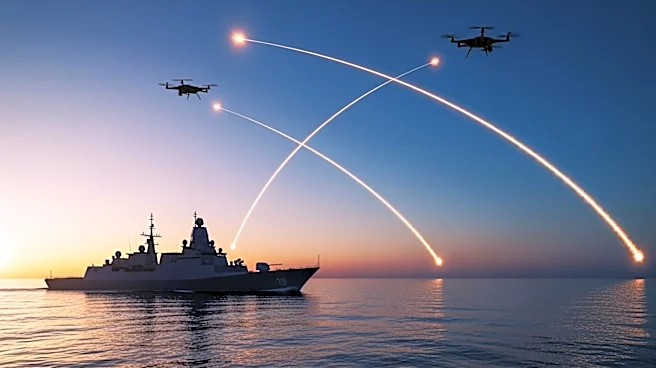
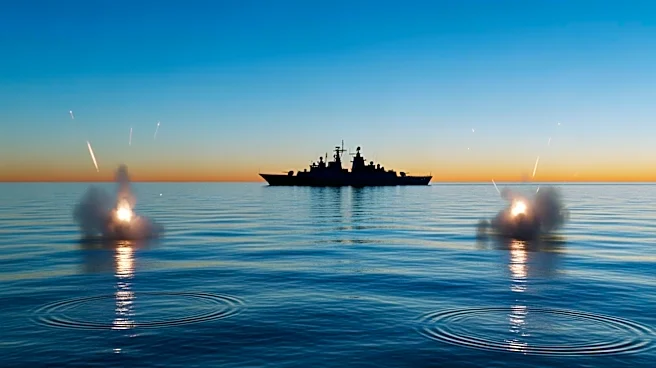
U.S. military forces have successfully intercepted Iranian ballistic missiles and attack drones that were launched towards the Strait of Hormuz and nearby Gulf nations. According to the U.S. Central Command
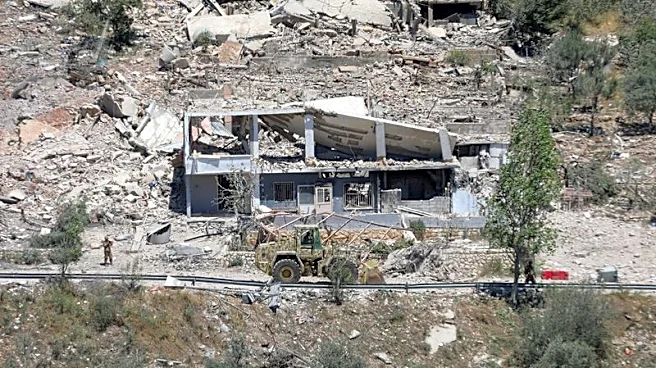
(CENTCOM), Iran launched four one-way attack drones towards the strategic waterway, prompting U.S. forces to shoot them down due to the threat they posed to regional maritime traffic. Following this, Iran fired seven ballistic missiles aimed at Kuwait and Bahrain. Six of these missiles were intercepted, while the seventh fell short of its target. In response to these threats, American forces conducted strikes on Iranian coastal surveillance radar sites in Goruk and on Qeshm Island to prevent further maritime attacks. CENTCOM has denied Iranian claims of damaging the U.S. 5th Fleet headquarters in Bahrain, emphasizing that their forces remain vigilant and ready to respond to any further aggression.
Why It's Important?
This incident underscores the ongoing tensions between the U.S. and Iran, particularly in the strategically vital Persian Gulf region. The Strait of Hormuz is a critical chokepoint for global oil shipments, and any disruption could have significant implications for international energy markets. The U.S. military's actions demonstrate a commitment to protecting international shipping lanes and deterring destabilizing behavior by Iran. The interception of missiles and drones also highlights the advanced capabilities of U.S. defense systems in countering threats. The situation remains delicate, as these developments occur amid a fragile ceasefire and ongoing provocations by Iran. The U.S. response aims to maintain stability in the region and prevent further escalation, which could have broader geopolitical consequences.
What's Next?
The U.S. military is likely to continue monitoring the situation closely, maintaining a heightened state of readiness to respond to any further provocations by Iran. Diplomatic efforts may be pursued to de-escalate tensions and reinforce the ceasefire. The international community, particularly countries reliant on oil shipments through the Strait of Hormuz, will be watching developments closely. Potential reactions from major stakeholders, including political leaders and international organizations, could influence future actions and negotiations. The situation may also impact U.S. foreign policy and defense strategies in the region, as well as relations with allies and partners involved in ensuring maritime security.