


What's Happening?
Iran has announced its intention to facilitate and expedite the movement of humanitarian aid through the Strait of Hormuz, despite ongoing military tensions in the region. This decision comes after Israeli strikes on Iranian nuclear facilities and subsequent
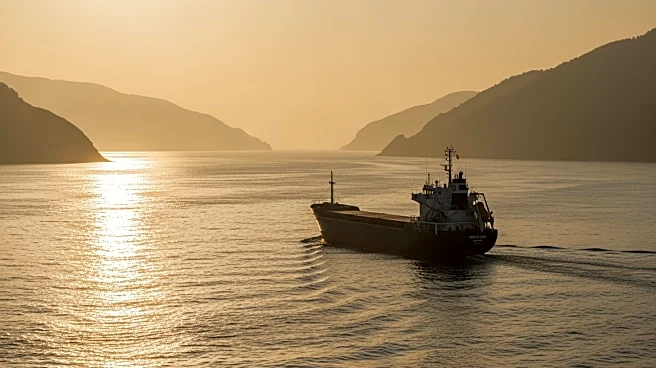
Iranian retaliation on a U.S. base in Saudi Arabia, which resulted in injuries to American troops. The Strait of Hormuz is a critical waterway for global oil and fertilizer shipments, and Iran's commitment to ensuring the passage of humanitarian aid is seen as a positive step amid the conflict.
Why It's Important?
The Strait of Hormuz is a vital corridor for international trade, particularly for oil and fertilizer, which are essential for global energy and food security. Iran's decision to allow humanitarian aid through the strait could help mitigate some of the economic disruptions caused by the conflict. This move also reflects Iran's willingness to engage in humanitarian efforts, which could influence diplomatic relations and potentially ease tensions in the region. However, the ongoing military actions and threats of further escalation pose significant risks to regional stability.
What's Next?
The international community will be closely monitoring the situation to ensure that Iran follows through on its commitment to facilitate aid. Diplomatic efforts may intensify to address the broader conflict and prevent further escalation. The U.S. and its allies may also seek to engage Iran in negotiations to secure a more comprehensive resolution to the ongoing tensions. The outcome of these efforts will have significant implications for regional security and global economic stability.