







What's Happening?
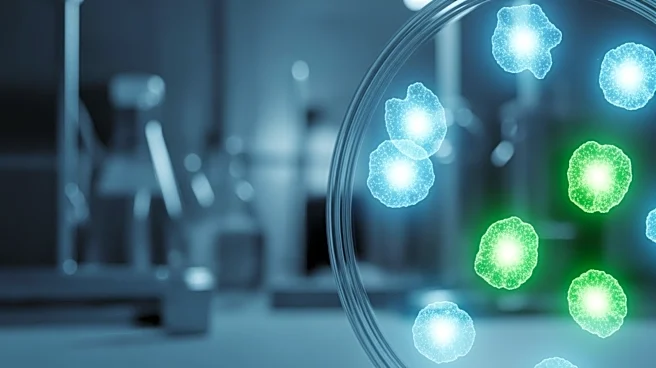
Researchers at Karolinska Institutet and KTH Royal Institute of Technology in Sweden have developed a new method to generate insulin-producing cells from human stem cells. This advancement, published in Stem Cell Reports, has shown promising results in reversing
diabetes in mice. The study addresses the challenge of Type 1 diabetes, where the immune system destroys insulin-producing cells in the pancreas, leading to unstable blood sugar levels. The new method produces more mature and uniform insulin cells, which effectively regulate blood sugar when transplanted into diabetic mice. The cells were transplanted into the anterior chamber of the eye, allowing researchers to monitor their development and function over time. This technique demonstrated the cells' ability to mature and maintain blood sugar regulation for several months.
Why It's Important?
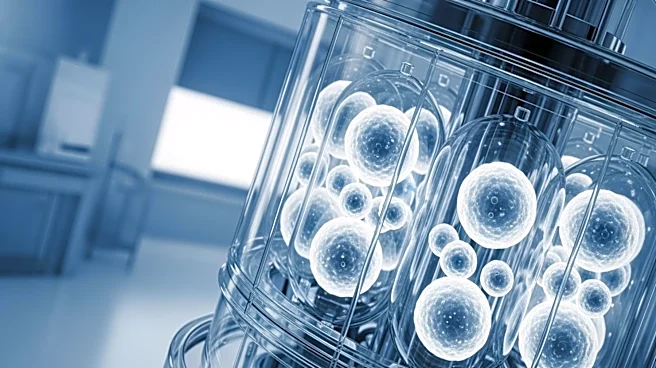
This breakthrough is significant as it offers a potential new treatment for Type 1 diabetes, a condition affecting millions worldwide. Current treatments often involve insulin injections, which can be cumbersome and do not fully replicate the body's natural insulin regulation. The ability to produce high-quality insulin cells from stem cells could lead to patient-specific therapies, reducing the risk of immune rejection. This development could pave the way for more effective and less invasive diabetes treatments, improving the quality of life for patients. The research also addresses previous challenges in stem cell therapy, such as the production of unintended cell types and immature insulin cells, by refining the culture process and allowing cells to form three-dimensional clusters.
What's Next?
The researchers plan to work towards clinical translation of their findings, aiming to develop stem cell-based treatments for Type 1 diabetes. Clinical trials are already exploring similar therapies, but this new method could overcome previous obstacles, such as the risk of complications from unintended cell types. The team will continue to refine their technique to ensure the cells' maturity and functionality in human applications. If successful, this could lead to a new standard in diabetes treatment, potentially reducing the need for insulin injections and improving patient outcomes.