





What's Happening?
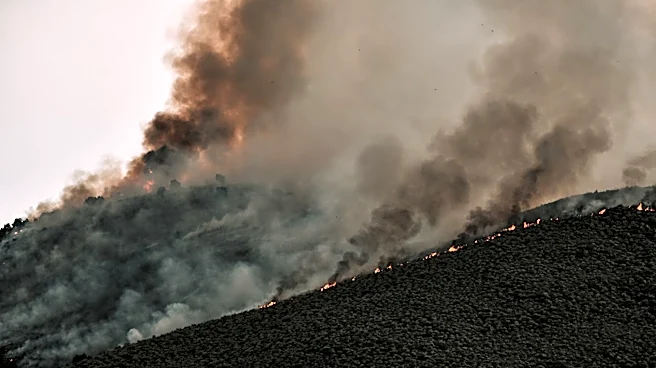
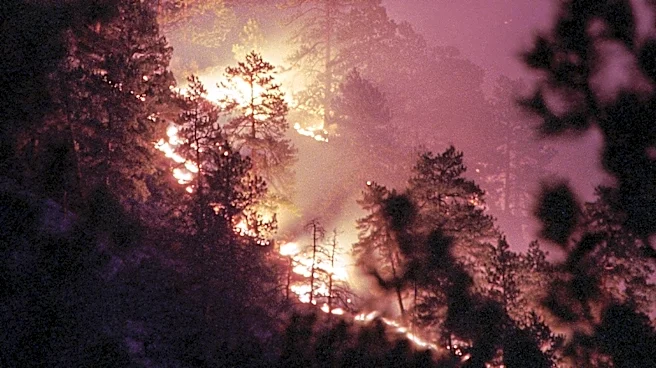
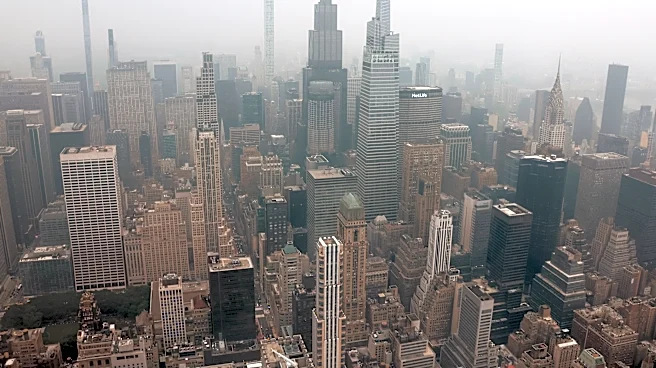
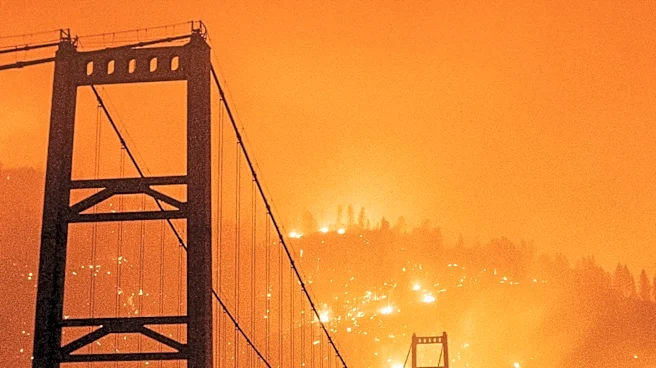
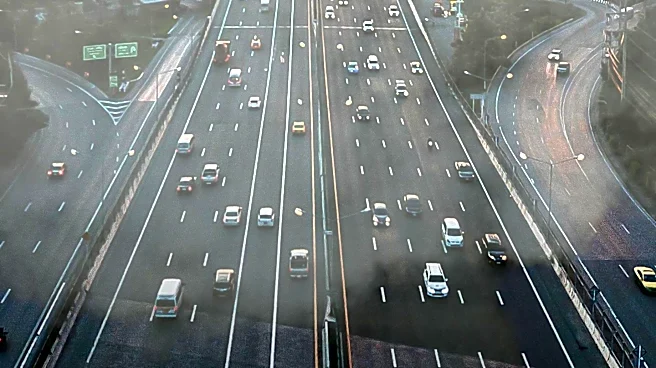
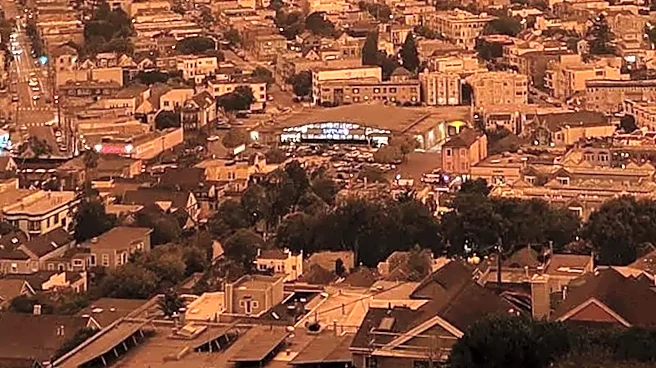
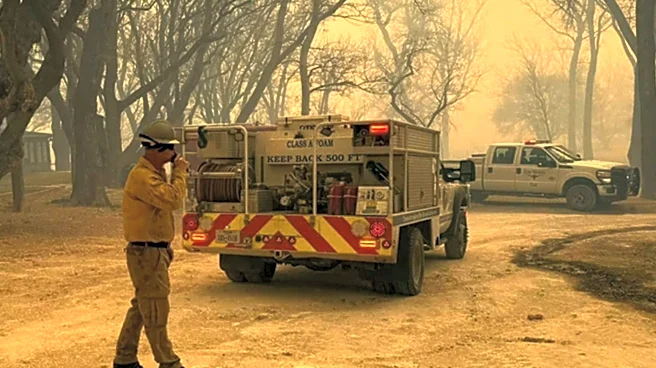
Wildfire smoke from active fires in Canada and the Grand Canyon's North Rim is affecting air quality across the United States, from Arizona to New York. The smoke contains fine particles that can travel long distances and remain at harmful concentrations,
impacting respiratory and cardiovascular health. Experts Dan Westervelt from Columbia University and Richard Peltier from UMass Amherst emphasize the importance of taking protective measures. They recommend keeping windows and doors closed, using air purifiers with HEPA filters, and avoiding appliances that bring in outdoor air. Additionally, they advise limiting outdoor activities and wearing masks to reduce exposure to the smoke.
Why It's Important?
The widespread impact of wildfire smoke highlights the interconnectedness of environmental events and public health. Poor air quality poses significant health risks, particularly for individuals with pre-existing respiratory or cardiovascular conditions, the elderly, and pregnant women. The situation underscores the need for effective air quality management and public awareness to mitigate health risks. The economic implications are also notable, as healthcare systems may face increased demand due to smoke-related health issues. Furthermore, the event stresses the importance of cross-border environmental policies, as fires in one region can have far-reaching effects.
What's Next?
As wildfires continue to burn, air quality is expected to fluctuate, necessitating ongoing monitoring and public advisories. Authorities may issue further air quality warnings, and individuals in affected areas should stay informed through reliable sources like airnow.gov. The situation may prompt discussions on improving infrastructure to better handle air quality issues, such as enhancing HVAC systems in public buildings. Additionally, there may be increased advocacy for policies addressing climate change and its role in exacerbating wildfire conditions.
Beyond the Headlines
The current situation may lead to a broader recognition of the need for sustainable environmental practices and policies. It highlights the potential for increased investment in renewable energy and forest management to reduce the frequency and intensity of wildfires. The event also raises ethical considerations regarding environmental justice, as marginalized communities often bear the brunt of environmental hazards. Long-term, this could influence cultural shifts towards more environmentally conscious behaviors and policies.