


What's Happening?
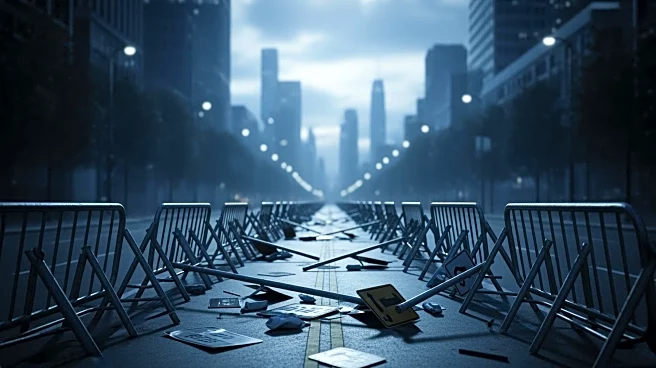
Iranian security forces have initiated a series of mass arrests across the country to prevent the resurgence of nationwide protests. This crackdown follows weeks of intense repression that had previously quelled large demonstrations under a near-total
internet blackout. Witnesses and activists report that security personnel, often in civilian clothing, are detaining individuals indiscriminately in Tehran and other cities, with many detainees being taken to undisclosed locations. The U.S.-based Human Rights Activists News Agency (HRANA) states that at least 42,486 people have been arrested since the protests began. The arrests are not limited to current protestors but also target individuals who participated in demonstrations years earlier, as well as their family members. Iranian officials have acknowledged that some detainees are being held in unofficial sites, including warehouses and improvised facilities.
Why It's Important?
The mass arrests in Iran highlight the government's efforts to suppress dissent and maintain control amid rising domestic and international pressures. The crackdown is significant as it underscores the Iranian regime's determination to prevent any potential uprising that could threaten its stability. The situation also reflects heightened tensions between Iran and the United States, with President Trump having raised the possibility of military action against Iran. This development could further strain U.S.-Iran relations and impact regional stability. The arrests have drawn international attention to Iran's human rights practices, potentially influencing global diplomatic and economic relations with the country.
What's Next?
Iran's Vice President Mohammad Reza Aref has stated that while Tehran does not seek war, it will respond forcefully if attacked. Iran has expressed willingness to enter negotiations, provided there are guarantees against military strikes during talks. The international community, particularly the European Union, which recently designated Iran's Revolutionary Guard as a terrorist organization, may face increased diplomatic challenges. The EU's decision has been condemned by Iran's military leadership, which accused European leaders of acting to appease the U.S. and Israel. The ongoing situation may lead to further diplomatic negotiations or sanctions, depending on Iran's actions and international responses.