






What's Happening?
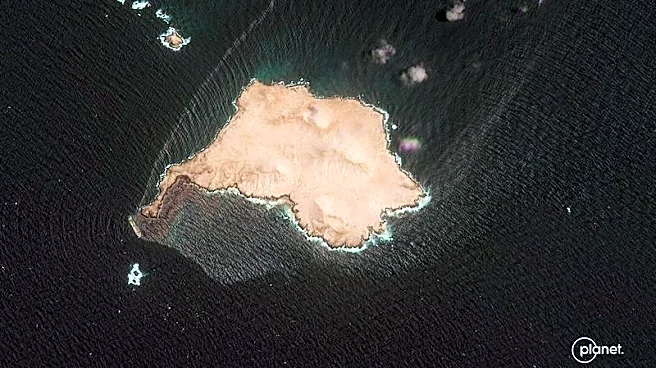
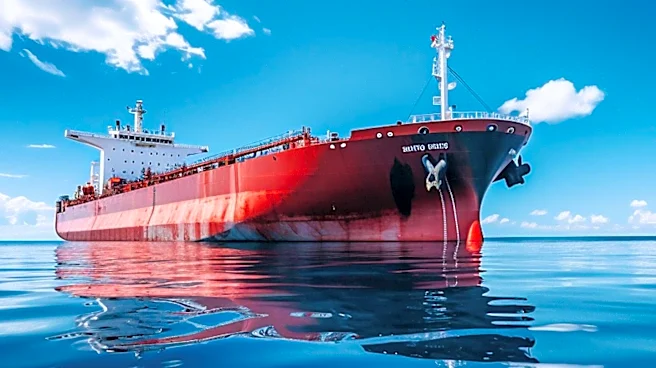
On August 2, 2026, the Italian Navy, as part of the EU's Operation EUNAVFOR MED Irini, boarded the Russian tanker Toa Payoh in the Mediterranean Sea. The tanker, part of Russia's 'shadow fleet' and under EU sanctions, was intercepted west of the Italian island
of Pantelleria. The operation aimed to verify the ship's nationality, as it was sailing under a Cameroonian flag. The Italian vessel Thaon di Revel led the boarding, supported by a Greek naval ship and a Polish maritime patrol aircraft. The ship's captain initially refused to cooperate, prompting Italian military personnel to board the vessel from a helicopter. The inspection lasted about two hours and was completed safely.
Why It's Important?
This operation underscores the EU's commitment to enforcing sanctions against Russia, particularly in the context of the ongoing conflict in Ukraine. The interception of the Toa Payoh highlights the EU's efforts to curb Russia's ability to circumvent sanctions through its 'shadow fleet,' which is used to transport oil and evade international restrictions. The operation also demonstrates the EU's strategic use of naval forces to maintain security and uphold international law in the Mediterranean region. The successful boarding operation reflects the EU's broader strategy to monitor and control illegal activities that could finance Russia's military actions.
What's Next?
The EU is likely to continue its naval operations in the Mediterranean to intercept and inspect vessels suspected of violating sanctions. The ongoing verification of the Toa Payoh's documents will determine any further legal actions. The EU's commitment to these operations may lead to increased tensions with Russia, which has previously criticized such actions as illegal. The EU's strategy may also involve expanding its naval presence and capabilities to ensure compliance with international sanctions and to deter further violations.