



What's Happening?
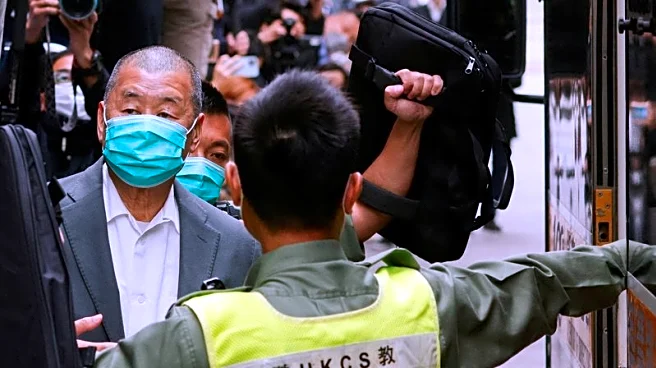
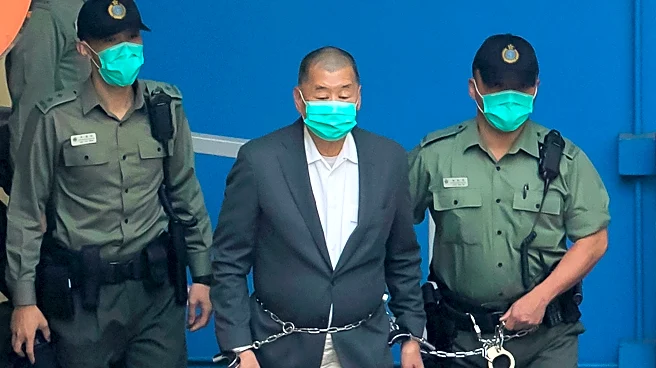
Jimmy Lai, a prominent pro-democracy figure and media mogul in Hong Kong, has been sentenced to 20 years in prison for national security offenses. The charges include sedition and conspiracy to collude with foreign forces. Lai's sentencing marks the culmination
of a prolonged legal battle that critics argue signifies Hong Kong's shift from a free city to one where dissent is heavily suppressed. His family has expressed concerns about his health, noting significant weight loss and dental issues during his detention. The case has drawn widespread condemnation from international human rights organizations and governments, who view it as a severe blow to press freedom in Hong Kong.
Why It's Important?
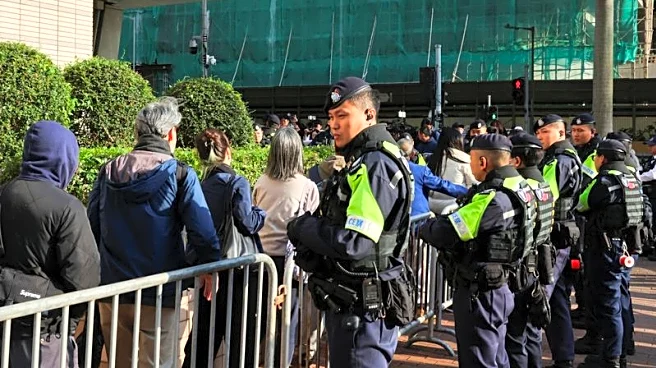
Lai's sentencing is emblematic of the broader crackdown on pro-democracy movements in Hong Kong, following the imposition of the national security law by China. This development is seen as a critical juncture in the erosion of civil liberties and press freedom in the region. The international community, including organizations like Reporters Without Borders and Amnesty International, has condemned the sentence, viewing it as a 'death sentence' for press freedom. The case highlights the ongoing struggle between democratic ideals and authoritarian governance in Hong Kong, with significant implications for the region's future political and social landscape.
What's Next?
The international response to Lai's sentencing is likely to intensify, with potential diplomatic repercussions for China and Hong Kong. Human rights groups and foreign governments may increase their advocacy efforts, calling for Lai's release and greater protections for press freedom. The Hong Kong government, however, is expected to continue its enforcement of the national security law, potentially leading to further arrests and convictions. The case may also influence future legal interpretations and applications of the law, affecting the region's political climate and international relations.