







What's Happening?
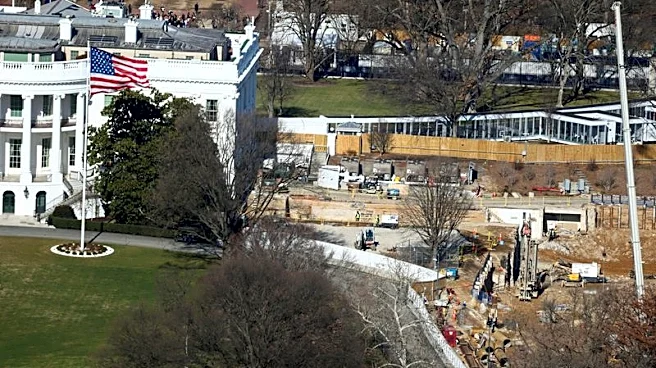
The National Capitol Planning Commission has approved the final plans for a new White House ballroom, despite a federal judge's ruling that construction cannot proceed without congressional authorization. The judge's block was based on the legal requirement
that only Congress can authorize such projects. The approval by the planning commission indicates a potential conflict between federal judicial authority and planning decisions. The ballroom project has been a subject of debate, with proponents arguing for its cultural and functional benefits, while opponents cite legal and procedural concerns.
Why It's Important?
The approval of the White House ballroom plans despite a judicial block raises questions about the balance of power between different branches of government. It highlights the complexities involved in federal construction projects and the legal frameworks governing them. The situation may lead to further legal challenges and discussions about the role of Congress in authorizing significant changes to national landmarks. This development could impact future projects and the processes required for their approval, influencing how government buildings are managed and modified.