What's Happening?
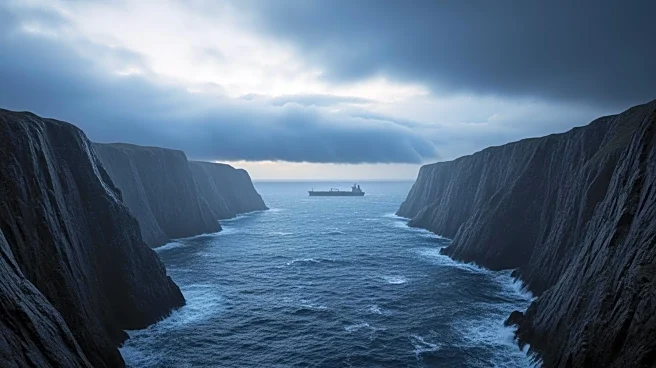
The United States Navy is preparing for potential littoral warfare in the Strait of Hormuz, a critical chokepoint for global oil transportation. This preparation comes as tensions in the region escalate, with the US deploying the USS Tripoli and its Marine
expeditionary unit to the Middle East. The concept of littoral warfare, which involves operations near shorelines, has been a strategic focus for the US military for decades, particularly in regions like the Strait of Hormuz and the Persian Gulf. The US Navy has invested in littoral combat ships (LCS) such as the USS Freedom and USS Independence to address these challenges. However, there are concerns about the effectiveness of these ships in current configurations. The strategic importance of the Strait of Hormuz, through which a significant portion of the world's oil supply is transported, underscores the need for effective naval operations in the area.
Why It's Important?
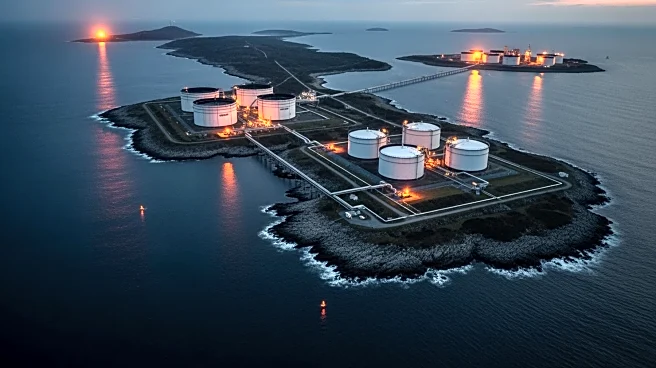
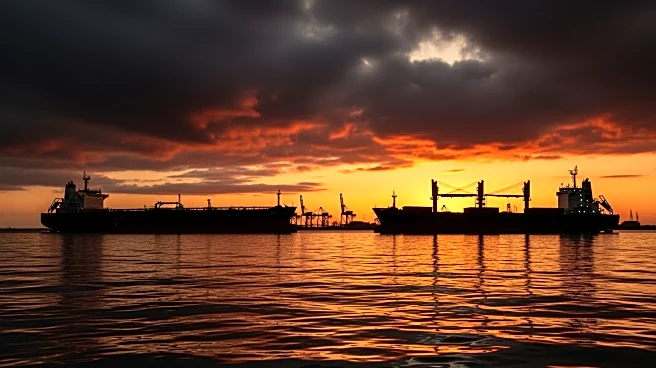
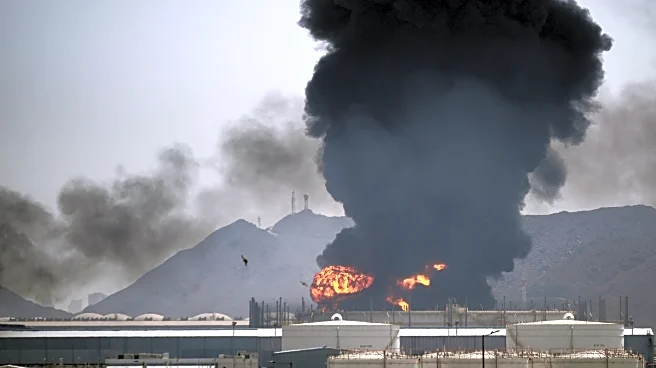
The Strait of Hormuz is a vital artery for the global oil supply, and any disruption could have significant economic repercussions worldwide. The US military's focus on littoral warfare highlights the strategic importance of maintaining open and secure shipping lanes in this region. The deployment of US naval forces aims to deter potential blockades and ensure the continued flow of oil, which is crucial for the stability of the global economy. The situation also reflects broader geopolitical tensions, particularly involving Iran, which has historically been a point of contention in the region. The US's ability to effectively manage these tensions and maintain security in the Strait of Hormuz is critical for international energy markets and global economic stability.
What's Next?
As the US continues to bolster its naval presence in the Strait of Hormuz, further military engagements or diplomatic efforts may unfold to address the ongoing tensions. The effectiveness of the littoral combat ships will be closely monitored, and adjustments may be made to enhance their capabilities. Additionally, the situation could prompt further international diplomatic efforts to ensure the security of this critical maritime route. The US and its allies may also explore new strategies and technologies to improve naval operations in littoral environments, potentially influencing future military planning and procurement.