
What's Happening?
Cuba has suspended its annual cigar festival in Havana due to a deepening economic crisis exacerbated by a U.S. oil blockade. The festival, organized by Habanos S.A., was scheduled to occur over five days in late February but has been postponed indefinitely.
The decision aims to maintain the high standards of quality and experience associated with the event. The festival typically attracts over 1,000 guests from around 80 countries, featuring auctions and tours of tobacco plantations. Cuban cigars are a significant export for the country, providing essential foreign currency, although they remain illegal in the U.S. due to a longstanding trade embargo. Habanos S.A. reported record sales of $827 million in 2024, marking a 16% increase from the previous year.
Why It's Important?
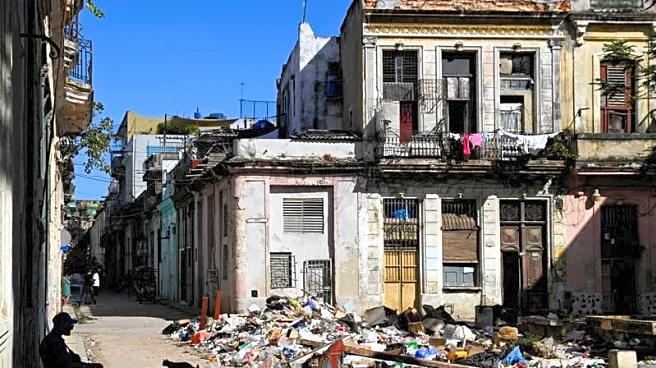
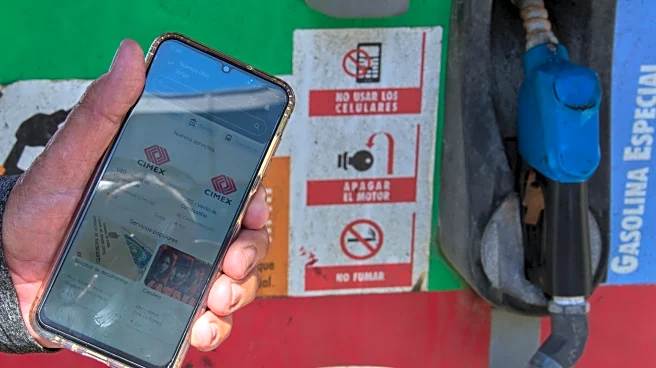
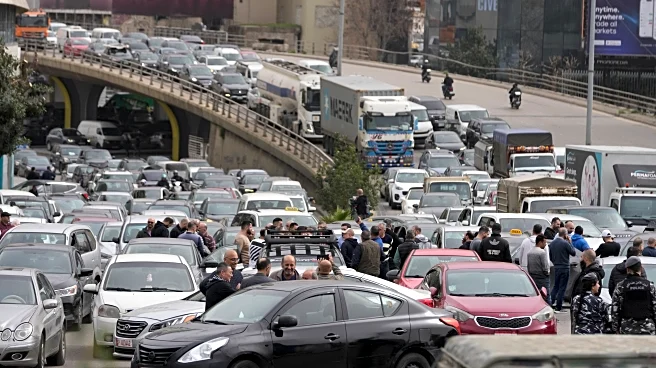
The suspension of the cigar festival highlights the severe economic challenges facing Cuba, particularly as the U.S. oil blockade intensifies. This blockade has strained Cuba's energy resources, impacting its economy and daily life. The festival's postponement underscores the broader economic difficulties, as Cuban cigars are a crucial export and revenue source. The situation reflects the ongoing impact of U.S. sanctions on Cuba, which continue to affect its economic stability and international trade relations. The festival's suspension may also affect tourism and related industries, further straining the island's economy.
What's Next?
Habanos S.A. is working to reschedule the festival, though no new date has been announced. The Cuban government may seek alternative strategies to mitigate the economic impact of the U.S. blockade, potentially exploring new trade partnerships or economic reforms. The international community, particularly countries with strong trade ties to Cuba, may respond to the situation, influencing future diplomatic and economic interactions. The ongoing economic crisis could prompt further policy changes within Cuba as it navigates these challenges.