







What's Happening?
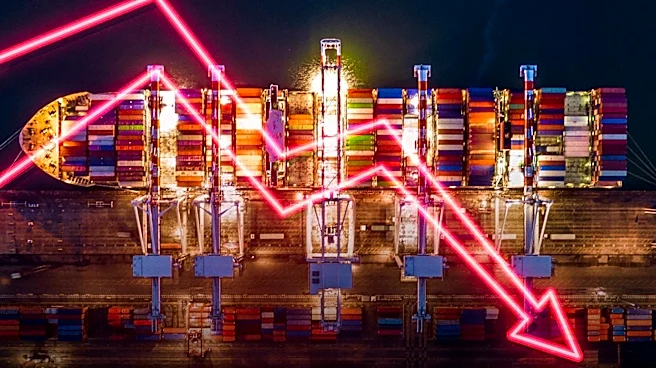
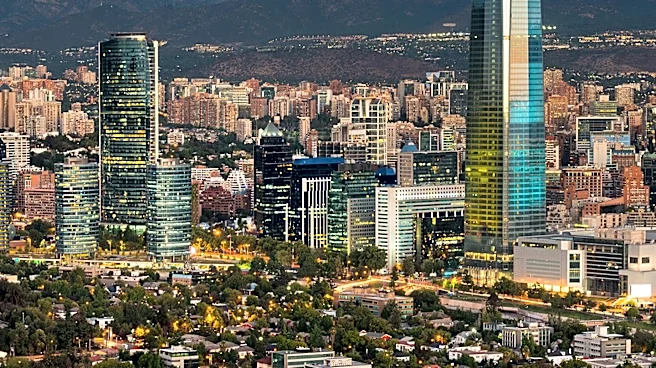
The U.S. Office of the Trade Representative imposed a 12.5% tariff on Chilean products, including fruits and salmon, following allegations of forced labor. The NGOs involved, Fundación Libera and Centro Ecocéanos, testified against Chile, raising questions
about their funding sources. Libera, focused on combating human trafficking, has a declared asset of $500,000 but lacks transparency in financial disclosures. Ecocéanos, founded by Juan Carlos Cárdenas, has been active in marine conservation. Both organizations have faced scrutiny from Chilean lawmakers, who have called for investigations into their activities and funding sources.
Why It's Important?
The involvement of U.S.-based NGOs in international trade disputes highlights the complex interplay between advocacy, policy, and economic interests. The lack of transparency in funding sources raises concerns about the influence of external entities on domestic policies and trade relations. This situation underscores the need for clear financial disclosures and accountability in NGO operations, particularly when they impact international relations. The tariffs imposed on Chilean products could have significant economic repercussions, affecting trade relations and the livelihoods of those involved in the affected industries.
What's Next?
Chilean lawmakers have requested investigations into the NGOs' activities and funding sources, which could lead to increased scrutiny and potential regulatory changes. The outcome of these investigations may impact the NGOs' operations and their ability to influence policy decisions. Additionally, the trade dispute may prompt further diplomatic negotiations between the U.S. and Chile, as both countries seek to resolve the issues surrounding forced labor allegations and tariffs. The situation may also lead to broader discussions on the role of NGOs in international trade and policy advocacy.