







What's Happening?
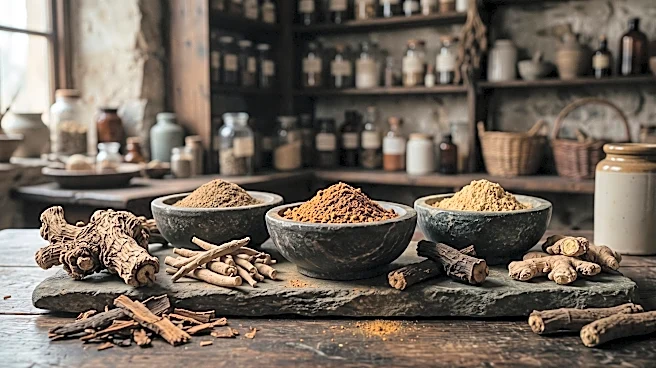
Recent medical studies and clinical observations indicate a growing link between unverified Ayurveda treatments and liver damage in patients. Many individuals believe traditional and Ayurvedic medicines are safe due to their 'natural' origin, but investigations
have revealed serious liver complications in patients using these remedies without proper medical supervision. One significant analysis found that 99 out of 100 patients with liver damage had used traditional or Ayurvedic medicines, with five fatalities. A follow-up study on liver cirrhosis patients using traditional medicines showed that approximately 35% experienced rapid liver deterioration, and nearly 20% died, compared to about 15% worsening or dying within one year among general liver cirrhosis patients. These findings underscore the critical need for scientific validation and medical oversight when using traditional treatments.
Why It's Important?
The increasing evidence linking unverified Ayurveda treatments to liver damage highlights a significant public health concern, particularly for consumers in the U.S. who may seek alternative therapies. The belief that 'natural' equates to 'safe' can lead to serious health risks, as demonstrated by the high rates of liver complications and fatalities. This situation underscores the importance of regulatory oversight and consumer education regarding traditional medicines. Without proper scientific validation and quality control, individuals are exposed to potentially harmful substances and ineffective treatments. The findings also challenge the perception that long-term historical use guarantees safety, emphasizing that modern medicine prioritizes evidence-based care with maximum recovery and minimal side effects. This issue affects not only individual health but also the broader healthcare system, as complications from unverified treatments can lead to increased medical costs and strain on resources.
What's Next?
To mitigate the risks associated with unverified Ayurveda treatments, medical professionals and health organizations are likely to increase efforts to educate the public on the importance of seeking qualified practitioners and scientifically validated therapies. Consumers are advised to verify the practitioner's qualifications, ensure the treatment is supported by medical evidence, and confirm that medicines are tested for safety. Regular medical monitoring, including tests for white blood cell count, hemoglobin level, platelet count, kidney function, and electrolyte balance, is crucial for individuals undergoing long-term alternative treatments. Early detection of symptoms like unusual bloating, loss of appetite, jaundice, or abdominal pain is critical, prompting immediate consultation with a doctor. The medical community will continue to advocate for rigorous scientific research, including controlled clinical trials and large-scale studies, to establish the effectiveness and safety of traditional medicines before they are widely recommended.
Beyond the Headlines
The issue of unverified traditional medicines extends beyond immediate health risks, touching upon broader ethical and regulatory challenges. The lack of stringent quality control and scientific validation for some Ayurvedic products raises questions about consumer protection and the responsibilities of manufacturers and practitioners. This situation also highlights a cultural tension between traditional healing practices and modern evidence-based medicine. While traditional systems like Ayurveda have historical roots, their integration into contemporary healthcare requires a commitment to scientific rigor to ensure patient safety. The findings may prompt a reevaluation of how traditional medicine claims are regulated and marketed, potentially leading to stricter guidelines for labeling, ingredient disclosure, and efficacy testing. This could foster a more informed public and encourage a more responsible approach to alternative therapies, ensuring that health decisions are based on reliable evidence rather than anecdotal claims or cultural beliefs.