




What's Happening?
Tokyo's Shinjuku ward is set to implement a ban on more than 50% of its short-term vacation rentals, including those listed on platforms like Airbnb. This decision comes in response to a significant increase in complaints from local residents regarding
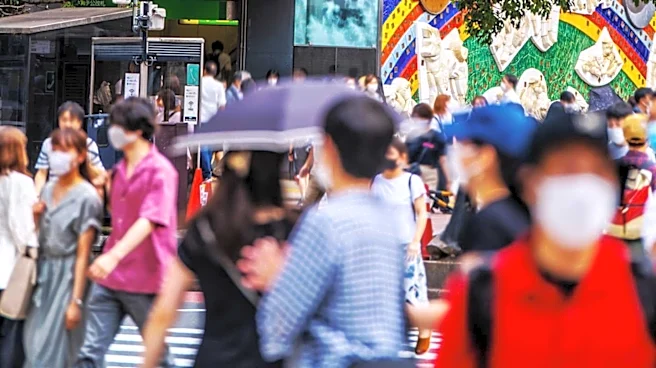
tourist behavior, such as improper trash disposal, smoking in prohibited areas, trespassing, and excessive noise. The ward, known for its bustling commercial and entertainment districts, currently has approximately 4,000 short-term rentals, accounting for nearly 10% of Japan's total. The new policy, which will be formally announced by the Shinjuku mayor, will specifically target existing rentals in residential zones and areas near schools, potentially leading to the closure of around 2,000 properties. This move aligns with a broader trend in Japan, where overtourism has become a major challenge as the country aims to attract 60 million foreign tourists by 2030.
Why It's Important?
This regulatory action in Shinjuku highlights the growing tension between the economic benefits of tourism and the quality of life for local residents in popular destinations. The ban reflects a shift in how Japanese municipalities are addressing the negative impacts of overtourism, particularly concerning short-term rentals. The Japan Tourism Agency has empowered local governments to regulate these lodgings if they threaten a tranquil living environment or hinder community maintenance. This could set a precedent for other Japanese cities experiencing similar issues, potentially influencing the future landscape of the short-term rental market across the country. For U.S. tourists and short-term rental operators, this signifies a tightening regulatory environment in a major international travel destination, requiring greater awareness and adherence to local rules. It also underscores a global trend where cities like Barcelona and New York have implemented similar restrictions to address housing shortages and resident complaints.
What's Next?
The Shinjuku mayor is expected to formally announce the new policy, which will primarily affect existing short-term rentals in residential and school-adjacent areas. This will likely lead to the closure of a substantial number of properties currently operating as vacation rentals. Airbnb and other short-term rental platforms will need to adapt to these new regulations, potentially delisting properties that fall under the ban. Kyoto is also considering similar measures, focusing on new rentals in residential and industrial areas, indicating a potential ripple effect across Japan. Tourists planning to visit Tokyo and other Japanese cities will need to be aware of these evolving regulations, which could impact accommodation options and availability. The long-term implications include a potential decrease in the number of available short-term rentals, a possible shift towards hotel accommodations, and increased enforcement of local ordinances regarding tourist conduct.
Beyond the Headlines
The Shinjuku ban on vacation rentals delves into the complex ethical and social dimensions of modern tourism. While tourism brings economic benefits, the unchecked growth of short-term rentals can disrupt local communities, leading to issues like noise pollution, waste management problems, and a sense of displacement among long-term residents. This situation highlights the challenge of balancing economic development with the preservation of local culture and community well-being. The decision by Japanese authorities to empower municipalities to regulate short-term lodgings reflects a recognition of these deeper societal impacts. It also raises questions about the responsibility of online platforms like Airbnb in mitigating the negative consequences of their services on local communities. The global trend of cities cracking down on short-term rentals suggests a re-evaluation of urban planning and tourism policies to prioritize resident quality of life alongside tourist experience.