




What's Happening?
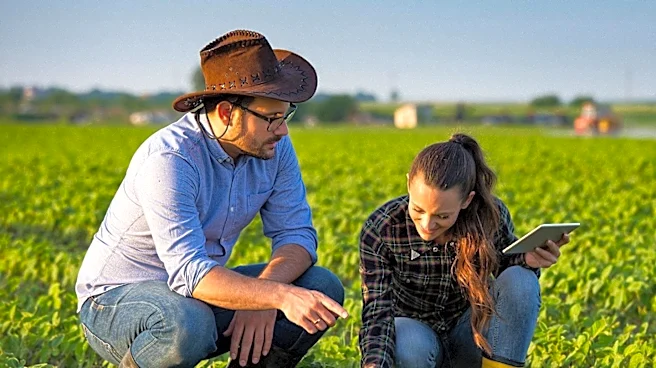
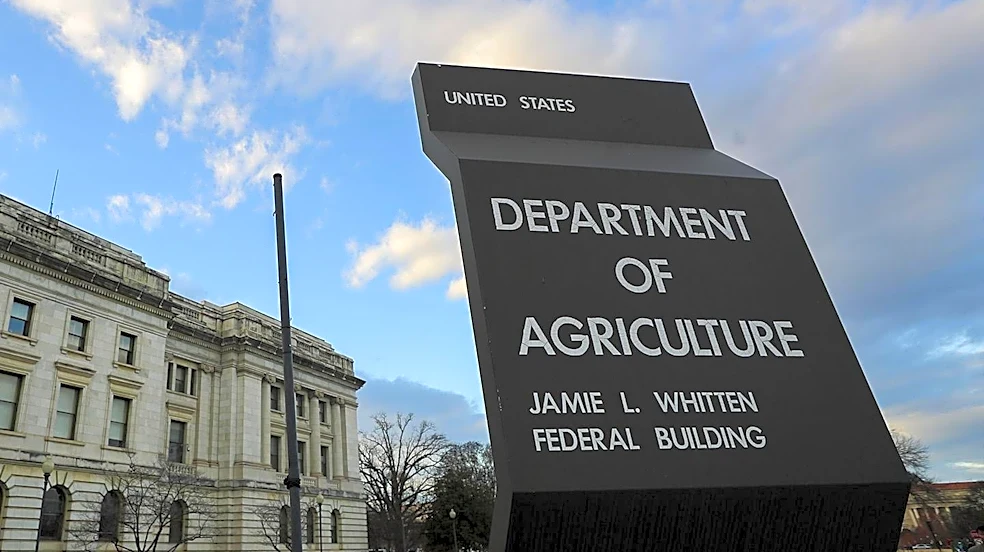
Women are taking on increasingly prominent roles in the U.S. agricultural sector, an industry traditionally dominated by men. The U.S. Department of Agriculture’s 2022 Census of Agriculture reported approximately 1.2 million female producers in the United
States. This census also indicated that more than half of all farms in the country have at least one female producer. A recent study conducted by the American Farm Bureau Federation’s Women’s Leadership Committee further highlighted that women in agriculture often manage multiple responsibilities. While many female producers have deep family roots in farming, a significant 26 percent of those surveyed identified as first-generation producers, indicating a growing trend of new entrants into the field.
Why It's Important?
The increasing presence of women in agriculture signifies a significant shift in the demographic and operational landscape of the U.S. farming industry. This trend contributes to greater diversity in leadership and decision-making, potentially bringing new perspectives and innovative practices to the sector. The rise of first-generation female producers suggests that agriculture is attracting a broader range of talent and entrepreneurial spirit, which can help address challenges such as an aging farmer population and the need for sustainable farming methods. Their multifaceted roles, as identified by the American Farm Bureau Federation, underscore their critical contributions to both farm operations and family well-being, reinforcing the resilience and adaptability of the agricultural community.
What's Next?
This growing demographic shift is likely to influence agricultural policy, support programs, and educational initiatives. There may be an increased focus on resources tailored to women in agriculture, including mentorship programs, access to financing, and training in business management and technology. Agricultural organizations and government agencies may further invest in understanding and supporting the unique needs and contributions of female producers. The continued rise of first-generation farmers, both male and female, suggests a need for ongoing support for new entrants, including land access, capital, and technical assistance. This trend could also lead to more diverse representation in agricultural leadership roles and advocacy groups, further shaping the future of U.S. farming.
Beyond the Headlines
The increasing involvement of women in agriculture extends beyond economic and operational impacts, touching upon broader societal changes. It challenges traditional gender roles within rural communities and the agricultural industry, promoting greater equity and inclusion. This shift can inspire younger generations of women to pursue careers in farming and related fields, fostering a more dynamic and inclusive agricultural workforce. Furthermore, the diverse experiences and perspectives of female producers, particularly first-generation farmers, can drive innovation in sustainable practices, local food systems, and community development. Their growing influence could lead to a more holistic approach to agriculture that balances productivity with environmental stewardship and social well-being.