






What's Happening?
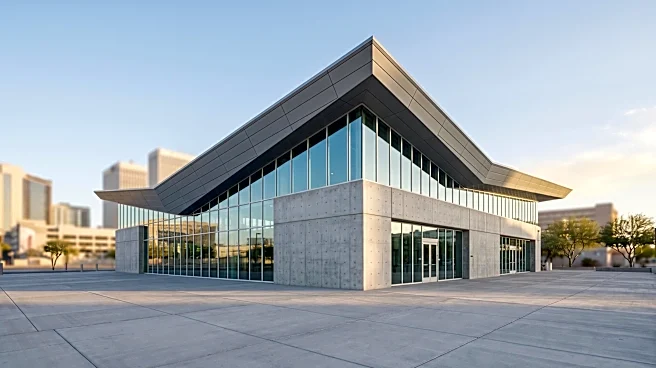
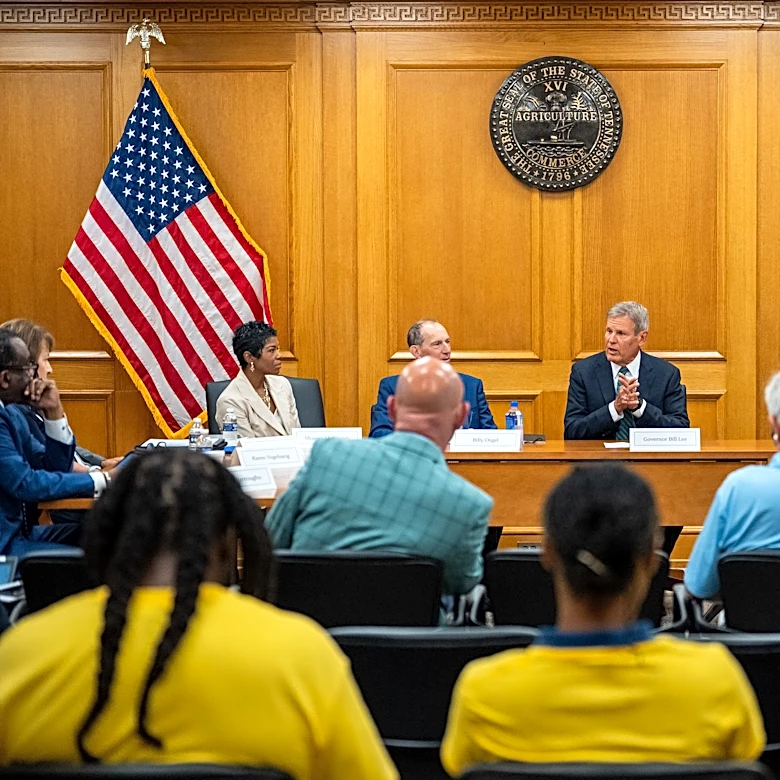
Representative Dina Titus recently hosted a roundtable discussion in Southern Nevada focusing on the increasing use and safety concerns surrounding e-bikes and e-scooters. The meeting, held at the Regional Transportation Commission’s Bonneville Transit
Center, brought together a diverse group of stakeholders including law enforcement officials, trauma doctors, school administrators, transit authorities, and community advocates. The primary objective of the discussion was to address the growing presence of these electric modes of transportation and to explore strategies for preventing accidents and reducing serious injuries among riders, pedestrians, and other road users. Key topics covered during the roundtable included educational initiatives, enforcement measures, and broader safety protocols aimed at enhancing public safety in the region. The initiative underscores a proactive approach to managing the integration of new transportation technologies into urban environments.
Why It's Important?
The proliferation of e-bikes and e-scooters presents both opportunities and challenges for urban planning and public safety in the U.S. This roundtable is important because it highlights a growing national concern regarding the safety implications of these increasingly popular transportation methods. As more Americans adopt e-mobility for commuting and recreation, local governments and communities are grappling with how to regulate their use, ensure rider and pedestrian safety, and integrate them effectively into existing infrastructure. The discussions initiated by Rep. Titus could serve as a model for other cities and regions facing similar issues, potentially leading to the development of best practices in education, enforcement, and infrastructure improvements. The involvement of various community leaders and experts signifies a comprehensive approach to addressing a complex issue that impacts public health, urban mobility, and local economies, as safe and efficient transportation options are crucial for economic activity and quality of life.
What's Next?
Following the roundtable, the insights and recommendations gathered from law enforcement, medical professionals, and community advocates are expected to inform potential policy adjustments or new initiatives aimed at improving e-bike and e-scooter safety in Southern Nevada. These could include enhanced public awareness campaigns, stricter enforcement of traffic laws pertaining to e-mobility devices, or even legislative proposals at the local or state level to regulate their use more effectively. The collaborative nature of the discussion suggests a continued multi-agency effort to monitor the situation and adapt strategies as needed. Future steps might also involve pilot programs for new safety technologies or infrastructure changes, such as dedicated lanes or improved signage, to better accommodate these vehicles and ensure the safety of all road users. The ongoing dialogue is crucial for developing sustainable solutions.
Beyond the Headlines
Beyond the immediate safety concerns, the rise of e-bikes and e-scooters reflects broader shifts in urban transportation and environmental consciousness. This development challenges traditional urban planning paradigms, pushing cities to rethink infrastructure and public space allocation. The discussions around safety also touch upon the ethical considerations of integrating new technologies into public life, balancing convenience and innovation with public welfare. Long-term implications could include a reduction in reliance on traditional vehicles, contributing to lower carbon emissions and improved air quality in urban centers. However, without adequate planning and regulation, these benefits could be overshadowed by increased accident rates and public friction. The conversation initiated by Rep. Titus is therefore not just about e-scooter safety, but about shaping the future of sustainable and safe urban living in the U.S.