

What's Happening?
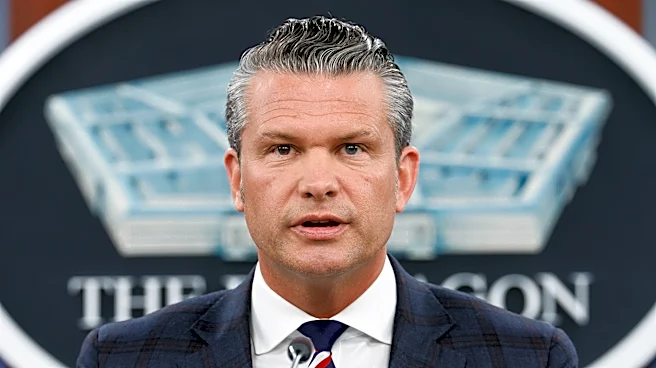
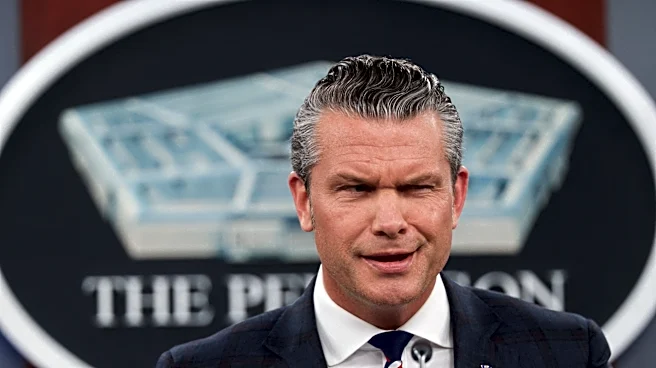
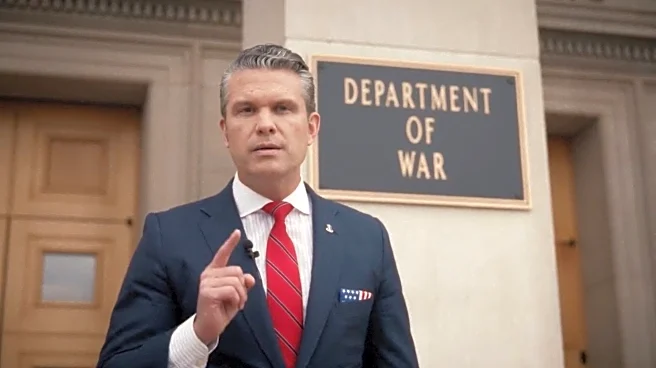
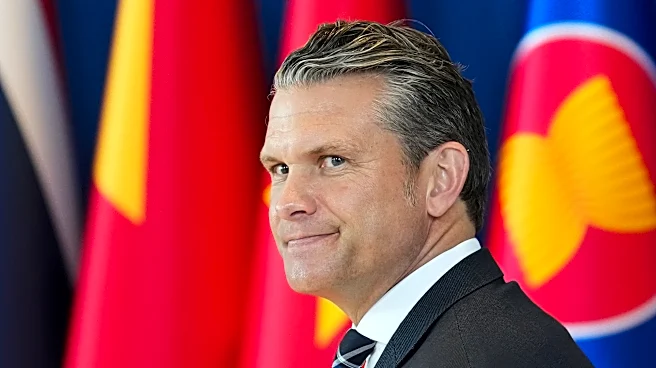
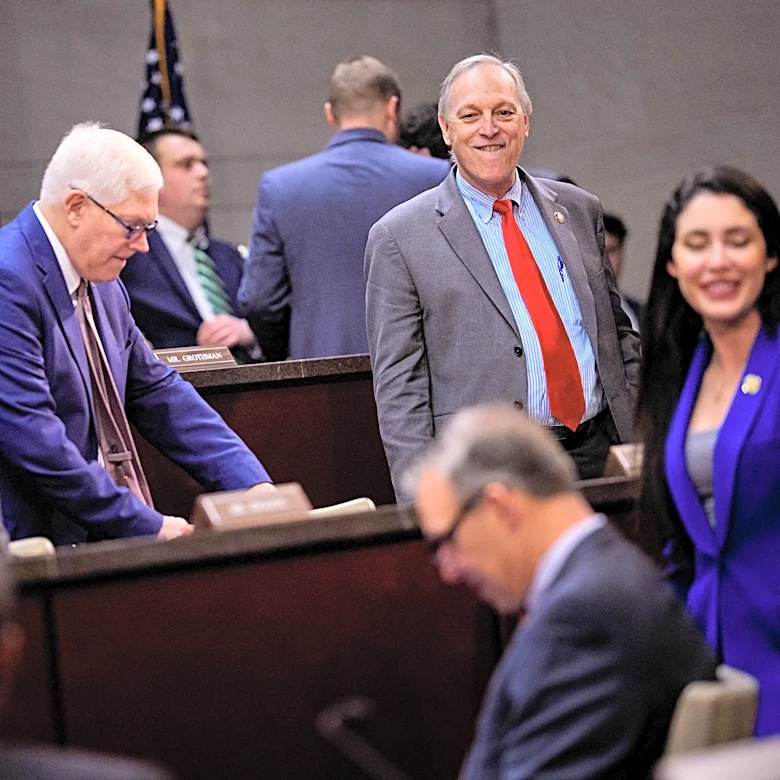
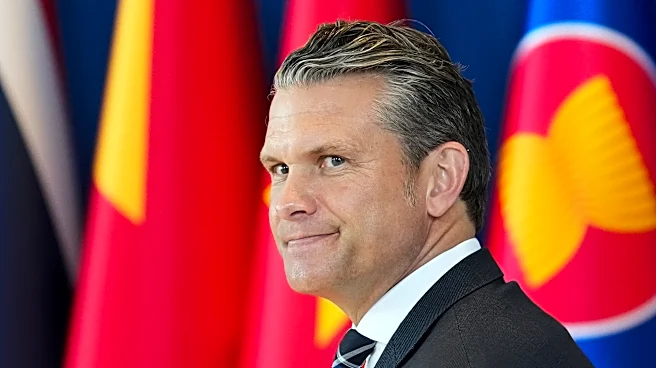
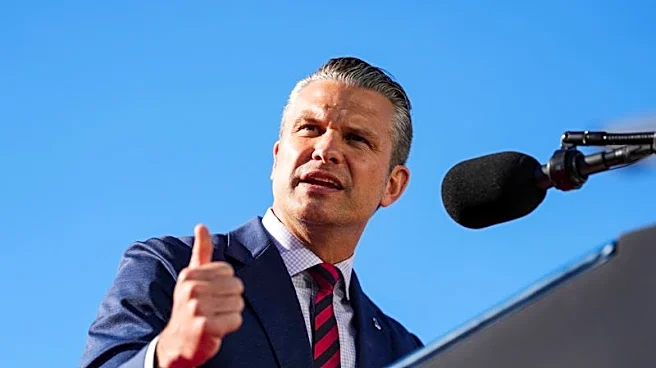
Defense Secretary Pete Hegseth recently survived an impeachment effort led by a lone GOP legislator and supported by Democrats. The eight articles of impeachment alleged constitutional violations, including waging war against Iran without congressional
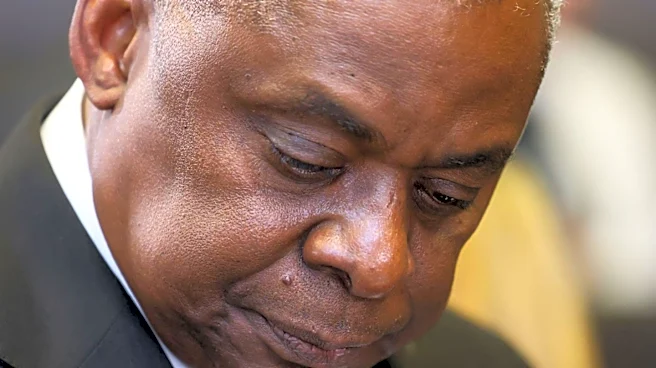
authorization, unlawfully capturing Venezuelan President Nicolás Maduro, and launching strikes on suspected drug boats in the Caribbean. Despite these serious charges, the impeachment efforts failed. Under Hegseth's leadership, the Department of Defense has faced criticism for pushing the U.S. into an unpopular war with Iran and for initiating internal conflicts within the military. Policies implemented during his tenure have reportedly led to the ousting of female and Black officers, blocked promotions for Black service members, reassigned the first woman to lead the Naval Academy, and targeted transgender service members. Hegseth has publicly stated his vision for the military, emphasizing a focus on 'warriors' and rejecting what he terms 'woke' or 'weak' elements.
Why It's Important?
The failed impeachment of Defense Secretary Pete Hegseth highlights significant political divisions and ongoing debates about the conduct of U.S. foreign policy and military leadership. The allegations of unauthorized military actions raise critical questions about executive power and congressional oversight in matters of war. Domestically, Hegseth's policies regarding diversity, equity, and inclusion within the military have sparked considerable controversy. Critics argue that these policies are creating a hostile environment for minority groups and women, potentially undermining morale, recruitment, and the overall effectiveness of the armed forces. The focus on a narrow definition of 'warrior' could alienate a significant portion of the population that might otherwise consider military service, impacting the military's ability to attract a diverse and talented pool of recruits. This situation also reflects broader cultural and political clashes within the U.S. regarding identity, national values, and the role of the military in society.
What's Next?
Despite the failed impeachment, Secretary Hegseth's policies and actions are likely to remain under scrutiny from Congress, civil rights organizations, and the public. Future congressional hearings or investigations could delve deeper into the allegations of unauthorized military engagements and the impact of his internal military policies. Advocacy groups, such as the Black Veterans Project, are expected to continue their efforts to address racial disparities and discrimination within the armed forces. The ongoing debates about military readiness, diversity, and the definition of service will likely influence future defense budgets, recruitment strategies, and legislative efforts aimed at reforming military culture. Depending on future political landscapes, there could be renewed attempts to challenge Hegseth's leadership or policies, particularly if the controversies surrounding his tenure continue to escalate or if new evidence emerges regarding alleged constitutional violations.
Beyond the Headlines
The controversies surrounding Defense Secretary Pete Hegseth's tenure reveal deeper ideological battles over the identity and purpose of the U.S. military. His emphasis on a specific type of 'warrior' and his actions against diversity initiatives suggest a deliberate attempt to reshape the military's cultural fabric, potentially aligning it with a more traditional, conservative worldview. This approach could have long-term implications for military cohesion, as it risks alienating segments of the force and the broader society it serves. Ethically, questions arise about fairness, equal opportunity, and the military's role as a meritocratic institution. Legally, challenges to policies affecting transgender service members or those related to racial and gender discrimination could lead to significant court battles. Culturally, this period could mark a critical juncture in how the U.S. military defines itself and its values in a diverse and evolving nation, potentially impacting its standing as a respected institution and its ability to reflect the country's demographic realities.