






What's Happening?
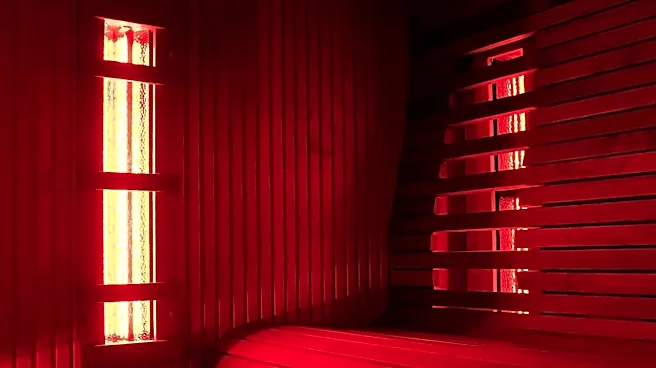
A 2026 randomized trial indicates that combining red and infrared light therapy with rehabilitation can significantly reduce chronic nonspecific low back pain. This approach, known as photobiomodulation (PBM), utilizes specific wavelengths of light (600-700
nanometers for red light and 750-1100 nanometers for near-infrared light) to penetrate tissues. Red light primarily affects superficial areas like skin, while near-infrared light reaches deeper muscle and nerve tissues, making it particularly useful for back pain. The trial demonstrated a meaningful pain reduction within 28 days for participants receiving combined light therapy and rehabilitation compared to a sham treatment group. The effectiveness of this therapy is highly dependent on factors such as the device type, wavelength, dosage, and patient adherence, with clinic-grade devices generally providing more reliable results than home units. The biological mechanisms behind PBM involve increasing cellular energy, improving blood flow, and reducing inflammation, which collectively contribute to pain alleviation without correcting structural issues like herniated discs.
Why It's Important?
This development is significant for the millions of Americans suffering from chronic low back pain, offering a non-surgical, non-pharmacological treatment option that has shown clinical efficacy. The emphasis on combining light therapy with rehabilitation highlights a holistic approach to pain management, moving beyond isolated treatments. For healthcare providers, particularly those in physical therapy and pain management, this research provides evidence-based support for integrating PBM into treatment protocols, potentially improving patient outcomes and reducing reliance on more invasive procedures or long-term medication. The distinction between clinic-grade and home devices is crucial for consumers, guiding them towards more effective and safer treatment options and underscoring the importance of professional guidance. This could also influence insurance coverage decisions for PBM, making it more accessible to a wider population.
What's Next?
Further research is anticipated to explore the long-term efficacy of red and infrared light therapy for chronic low back pain, as well as its potential application for other types of pain and conditions. Clinicians will likely continue to refine treatment protocols, focusing on optimal wavelengths, dosages, and integration strategies with existing rehabilitation programs. The market for PBM devices, both clinical and consumer-grade, is expected to grow, necessitating clearer regulatory guidelines and consumer education to ensure safe and effective use. Patients seeking relief from chronic low back pain may increasingly inquire about and access these combined therapy approaches, prompting healthcare systems to adapt and incorporate them into standard care pathways. The ongoing challenge will be to ensure that the therapy is delivered under appropriate supervision and as part of a comprehensive plan.
Beyond the Headlines
The findings on red and infrared light therapy for back pain underscore a broader shift in medicine towards understanding and leveraging cellular-level biological processes for therapeutic benefit. This mechanistic approach, focusing on increasing cellular energy and reducing inflammation, represents a sophisticated evolution from symptomatic treatments. Ethically, the availability of varying device qualities and the need for professional supervision raise questions about equitable access to effective treatment, as clinic-grade options may be less accessible to all. Culturally, the acceptance of light-based therapies reflects a growing openness to alternative and complementary medicine, challenging traditional views that often prioritize pharmaceutical or surgical interventions. This trend could lead to a more integrated healthcare model where technology, rehabilitation, and biological insights converge to offer personalized and less invasive solutions for chronic conditions.