


What's Happening?
The United Nations Relief and Works Agency (UNRWA) has reported that Israeli restrictions are impeding the delivery of crucial food aid to 1.1 million Palestinians in Gaza. According to UNRWA Director Philippe Lazzarini, a convoy of 1,049 shipping containers,
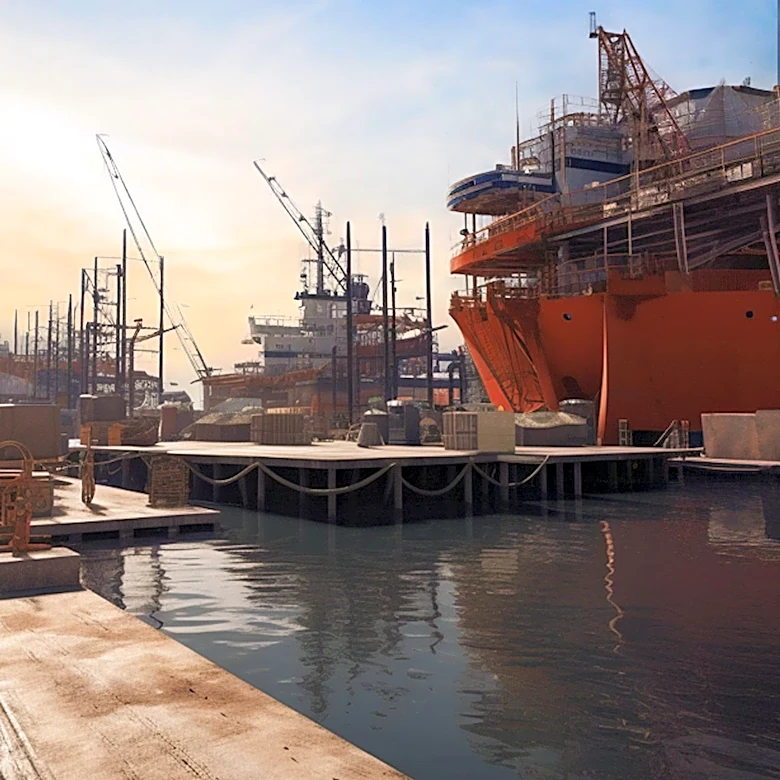
containing rice, flour, chickpeas, sugar, and cooking oil—enough to feed 1.1 million people for one month—has been held up for weeks in the Israeli port city of Ashdod. The agency stated that an Israeli contractor was instructed by Israeli customs authorities not to process any UNRWA goods. This stoppage comes as the World Food Program warns of a potential famine in Gaza as early as May, with an estimated 25% of families already facing catastrophic hunger. Additionally, UNRWA's bank account with Bank Leumi was reportedly frozen, and Israeli customs authorities notified the agency that it would no longer receive tax exemptions. Israeli Finance Minister Bezalel Smotrich publicly stated that 'the state of Israel will not give tax benefits to terrorist aides,' linking these actions to accusations against UNRWA workers.
Why It's Important?
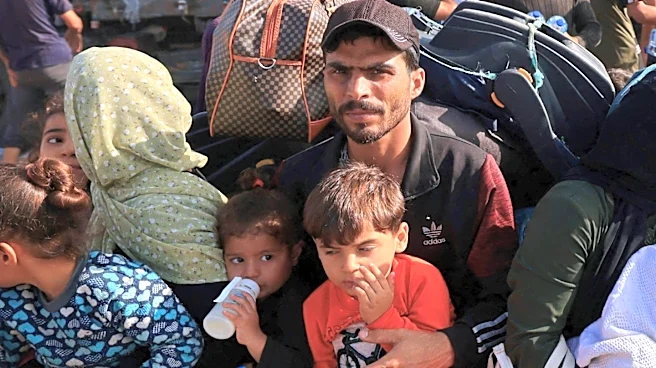
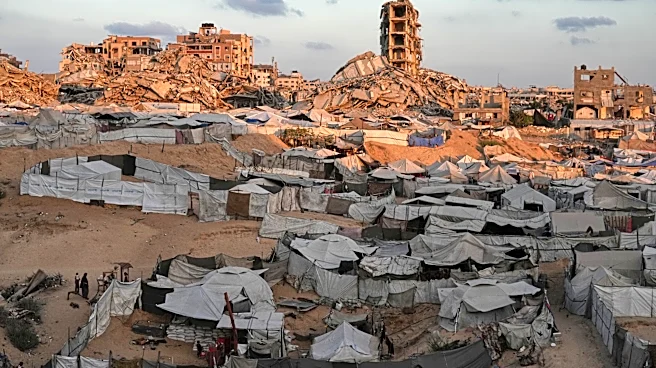
These restrictions significantly exacerbate the humanitarian crisis in Gaza, where 80% of the 2.3 million population has been displaced by the ongoing conflict. The inability to deliver essential food supplies directly threatens the lives of over a million Palestinians, pushing the region closer to a widespread famine. The actions against UNRWA, including the freezing of bank accounts and removal of tax exemptions, cripple the primary aid provider in Gaza, which serves approximately 6 million Palestinians. This situation not only impacts immediate survival but also undermines the long-term stability and recovery efforts in the region. The accusations against UNRWA workers, which led to major donor nations, including the U.S., suspending funding, have created a critical funding gap and operational challenges for the agency. The U.S. has historically provided significant aid to the West Bank and Gaza, with $938.4 million obligated in fiscal year 2024, primarily for economic purposes, highlighting the international community's stake in the region's humanitarian situation.
What's Next?
UNRWA is attempting to reroute other aid shipments through Port Said in Egypt, but Director Lazzarini warned that the current holdup will create further difficulties in aid distribution. Two UN investigations are underway regarding the allegations against UNRWA workers, including an independent review led by a former French foreign minister, which will focus on the agency's neutrality and response to the accusations. The findings of these investigations could influence future funding decisions from donor nations, including the U.S., and potentially impact the operational capacity of UNRWA. The ongoing conflict and Israeli military operations, particularly in areas like Rafah where 1.3 million displaced Palestinians are sheltering, continue to make aid delivery extremely challenging. The reluctance of local police to escort aid convoys due to airstrikes further complicates efforts to reach those in need, suggesting that the humanitarian situation may continue to deteriorate without significant changes in aid access and security.
Beyond the Headlines
The deepening crisis surrounding UNRWA and the restrictions on aid delivery highlight a complex interplay of political accusations, humanitarian needs, and international relations. The Israeli government's stance, linking UNRWA to alleged involvement in the October 7 attacks, reflects a broader strategy to challenge the agency's role and potentially reshape the humanitarian aid landscape in Gaza. This situation raises critical questions about the impartiality of aid organizations in conflict zones and the mechanisms for ensuring accountability while maintaining essential services. The suspension of funding by key donors, including the U.S., underscores the significant leverage that political allegations can have on humanitarian operations, potentially setting a precedent for how international aid is managed in politically charged environments. The long-term implications could include a re-evaluation of aid distribution models, increased reliance on alternative, potentially less established, aid channels, and a further politicization of humanitarian assistance, ultimately impacting the most vulnerable populations.