






What's Happening?
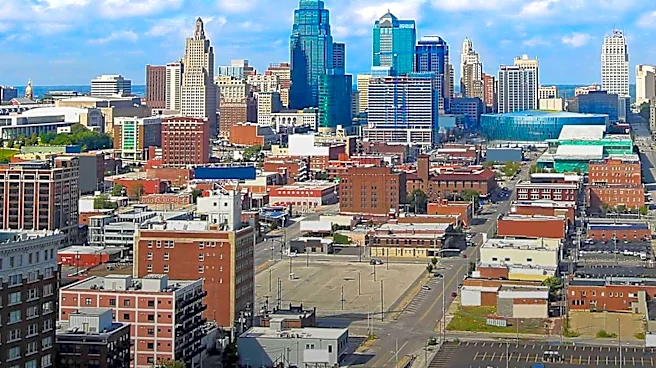
Kansas City is preparing for significant traffic disruptions as two major interstate projects are set to begin. The south loop of I-670 will close in December for approximately two years to facilitate the construction of Roy Blunt Luminary Park. This
park aims to create a greenspace above the interstate, reconnecting downtown neighborhoods that were divided by the highway's original construction in the 1960s. The first phase of this project will close I-670 from I-35 to U.S. 71, along with sections of Truman Road. Additionally, in January, a portion of I-70 between Paseo Boulevard and Van Brunt will close in both directions for 11 months as part of the Improve I-70 project. This section of I-70, which is 60 years old and used by about 105,000 vehicles daily, requires extensive repairs. The Missouri Department of Transportation (MoDOT) has opted for full closures on both interstates to ensure quicker project completion and enhanced safety for workers and the public, rather than lane reductions which would cause longer delays.
Why It's Important?
These concurrent interstate closures will have a substantial impact on daily commuters, local businesses, and regional traffic flow in Kansas City. The I-670 closure, lasting two years, will reroute significant traffic to the north loop of I-670 and other city streets, potentially increasing congestion and travel times. The I-70 closure, affecting a heavily trafficked corridor for nearly a year, will further strain the city's road network. MoDOT's decision to implement full closures, while disruptive in the short term, is intended to expedite construction and improve safety, ultimately leading to more durable infrastructure. The Roy Blunt Luminary Park project is also significant for urban planning, as it aims to mend historical urban divides and create new public green spaces, potentially enhancing community connectivity and quality of life in the long run. Businesses in affected areas may experience reduced customer access and increased delivery times, necessitating adjustments to logistics and operations.
What's Next?
The Missouri Department of Transportation (MoDOT) is advising drivers to test alternative routes before the closures begin in December for I-670 and January for I-70. MoDOT has categorized travelers into community, commuter, and regional traffic to better guide detour strategies. Regional traffic is encouraged to use I-435 and I-470 as primary detours. City roads around the I-70 construction zone have been rebuilt to accommodate increased local traffic, but drivers are cautioned against relying solely on these streets for high-volume commutes. The city and MoDOT will continue to provide updates on specific detours and traffic management plans. The construction of Roy Blunt Luminary Park is expected to proceed in phases, with the first block being built during the initial two-year I-670 closure. Stakeholders, including local businesses and residents, will need to adapt to these prolonged traffic changes, and ongoing communication from transportation authorities will be crucial.
Beyond the Headlines
The extensive and overlapping interstate closures in Kansas City highlight broader challenges in urban infrastructure management, particularly the balance between necessary upgrades and immediate public disruption. The I-670 project, which aims to cap the highway with a park, represents a growing trend in urban planning to mitigate the negative impacts of past infrastructure decisions that often divided communities. This approach seeks to reclaim urban space for public use and foster neighborhood cohesion. The I-70 project underscores the critical need for continuous maintenance and modernization of aging highway systems across the U.S., many of which are reaching the end of their designed lifespan. The scale of these closures also prompts questions about the resilience of urban transportation networks and the effectiveness of public communication strategies during prolonged construction periods. The long-term benefits of these projects, including improved connectivity, enhanced public spaces, and safer roads, are expected to outweigh the temporary inconveniences, but managing public perception and daily life during construction remains a significant undertaking.