







What's Happening?
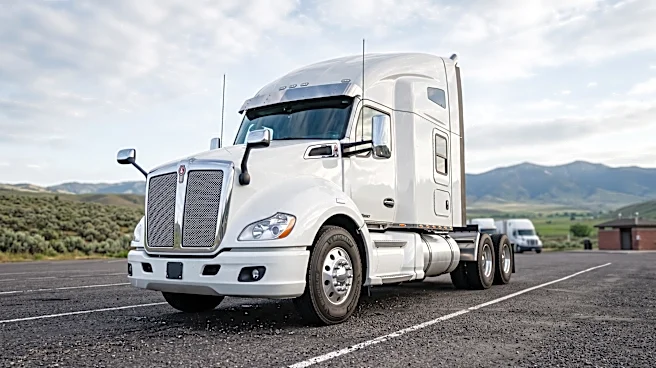
Commercial truck accidents are a frequent occurrence in Oregon and Washington, particularly along major freight corridors, mountain passes, congested urban areas, and rural highways. These incidents often result in severe and life-altering injuries due
to the catastrophic nature of collisions involving semi-trucks and tractor-trailers compared to typical car accidents. The Federal Motor Carrier Safety Administration (FMCSA) sets comprehensive regulations for the trucking industry, covering driver qualifications, hours-of-service limits, cargo securement standards, and mandatory vehicle maintenance. Violations of these federal standards can serve as powerful evidence of negligence in legal claims. Prompt action is crucial to preserve evidence such as electronic logging device (ELD) data, black box recordings, and driver qualification files before they are overwritten or destroyed. Insurance companies also dispatch their own investigators to gather facts to minimize their liability.
Why It's Important?
The high volume of commercial truck traffic in Oregon and Washington means that residents and commuters in these states face an elevated risk of severe accidents. The significant injuries sustained in these collisions can lead to long-term medical issues, financial burdens, and a diminished quality of life for victims. The involvement of federal regulations adds complexity to accident investigations and legal proceedings, requiring specialized legal representation to navigate. The potential for trucking company negligence, such as pressuring drivers or inadequate maintenance, highlights systemic issues that can compromise public safety. The rapid preservation of evidence is critical for victims to secure fair compensation, as delays can lead to the loss of crucial data that proves negligence.
What's Next?
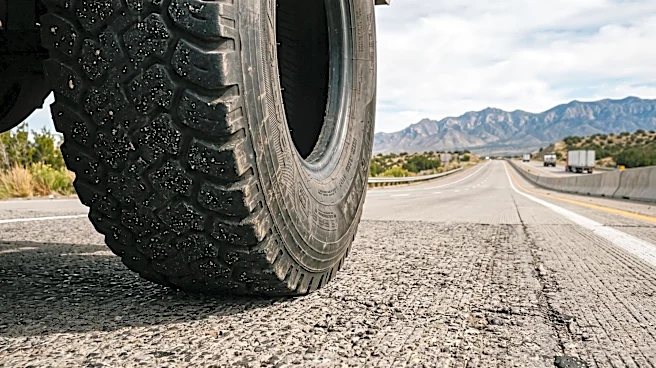
Individuals involved in commercial truck accidents in Oregon and Washington are advised to seek legal representation promptly to ensure their rights are protected and evidence is preserved. Legal professionals will focus on investigating driver-related factors like fatigue, distracted driving, or inadequate training, as well as vehicle issues such as brake failures or mechanical malfunctions. External factors like hazardous weather or poor road conditions will also be considered. Furthermore, investigations will scrutinize trucking company practices, including adherence to deadlines, driver vetting, and maintenance programs. The legal process will involve examining cargo issues, such as improper loading or overloading, to determine all contributing factors to the accident.
Beyond the Headlines
The prevalence of commercial truck accidents underscores broader challenges within the logistics and transportation sectors, particularly concerning safety regulations and enforcement. The pressure on trucking companies to meet tight deadlines can inadvertently incentivize practices that compromise safety, such as hours-of-service violations or deferred maintenance. This situation raises ethical questions about the balance between economic efficiency and public safety. The legal framework, including FMCSA regulations, aims to mitigate these risks, but effective oversight and accountability remain critical. The long-term societal impact includes not only the direct costs of injuries and fatalities but also the strain on healthcare systems and the psychological toll on affected communities.